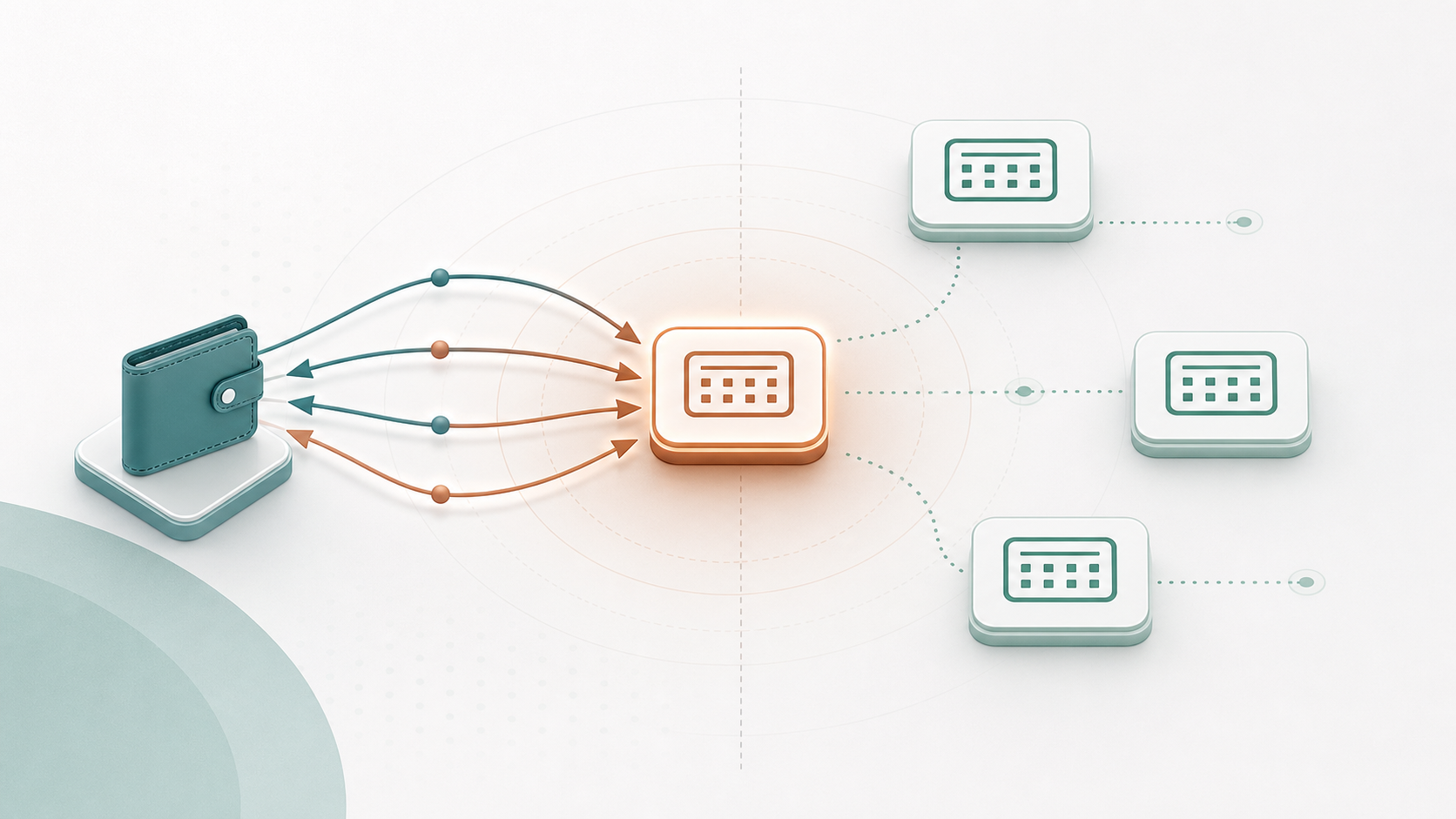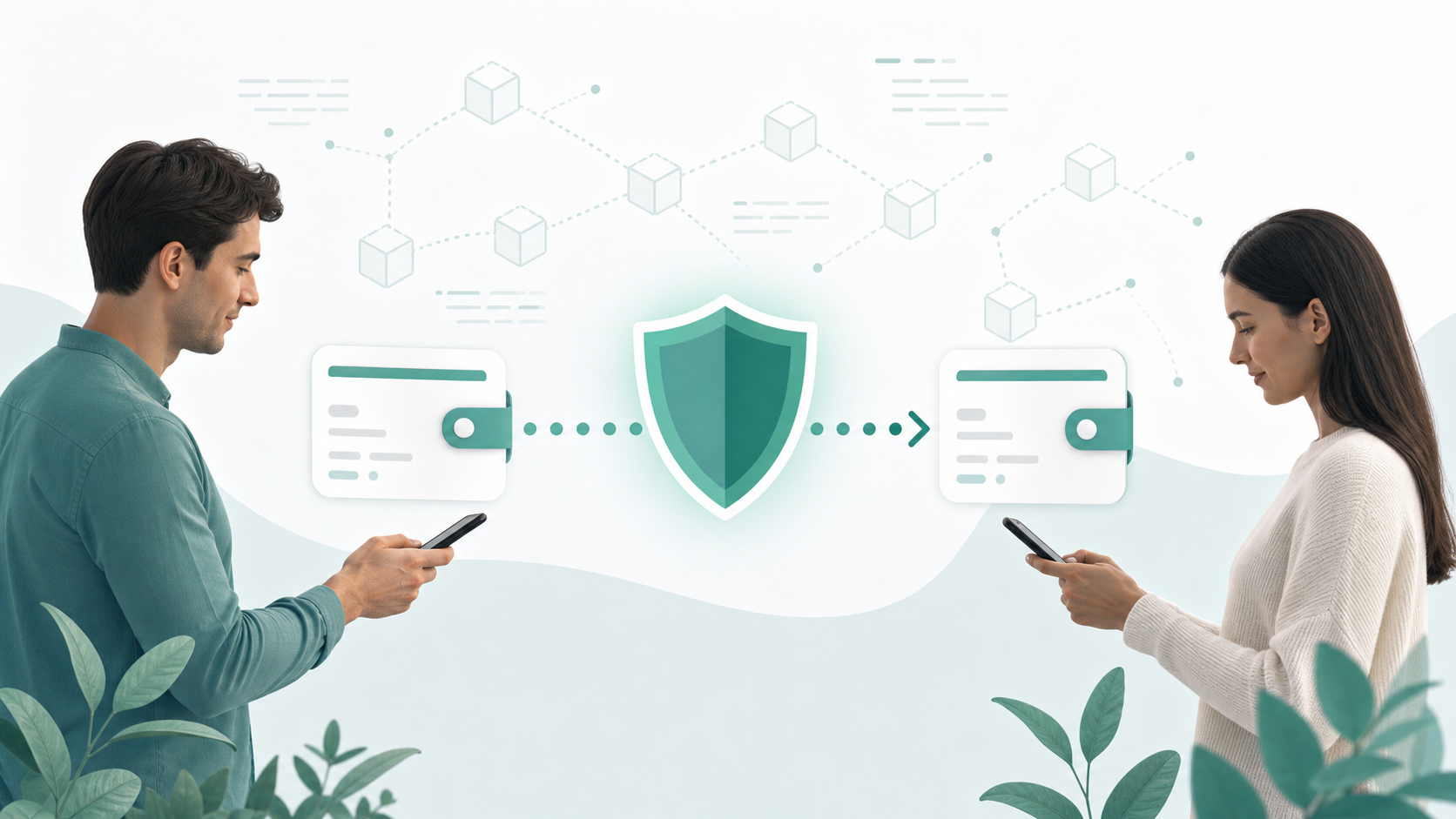
Private swaps are best understood as risk-reduction tools. They may reduce some forms of wallet linkability, but they do not erase every trace, guarantee anonymity, or remove legal and compliance responsibilities.
That distinction matters. If you expect a private swap to make all previous and future activity disappear, the expectation is too broad. If you expect it to reduce unnecessary wallet exposure in a specific payment or swap flow, the question is more realistic.
The Short Version
Private swaps can help reduce what another person, casual observer, or public explorer user can connect about your wallet activity. They are most useful when the problem is overexposure: one payment or swap should not reveal a user's full wallet history.
They cannot protect against everything. They do not remove identity records at exchanges, undo past address reuse, hide every timing or amount pattern, or guarantee that app, wallet, RPC, or frontend metadata is private.
What Private Swaps May Help With
A well-designed private swap or private payment flow may reduce:
- Direct wallet-to-wallet exposure between sender and receiver.
- The need to share a long-term public receiving address.
- Casual inspection of a wallet's balances, token holdings, and past activity.
- Simple address reuse problems where one address becomes a public profile.
- Some forms of obvious transaction graph linkage, depending on the design.
This is useful for ordinary reasons. A freelancer may not want every client seeing every prior payment. A user paying a friend may not want to reveal their token balances. A small team may not want routine payments to expose operational wallets.
What Still Remains Visible
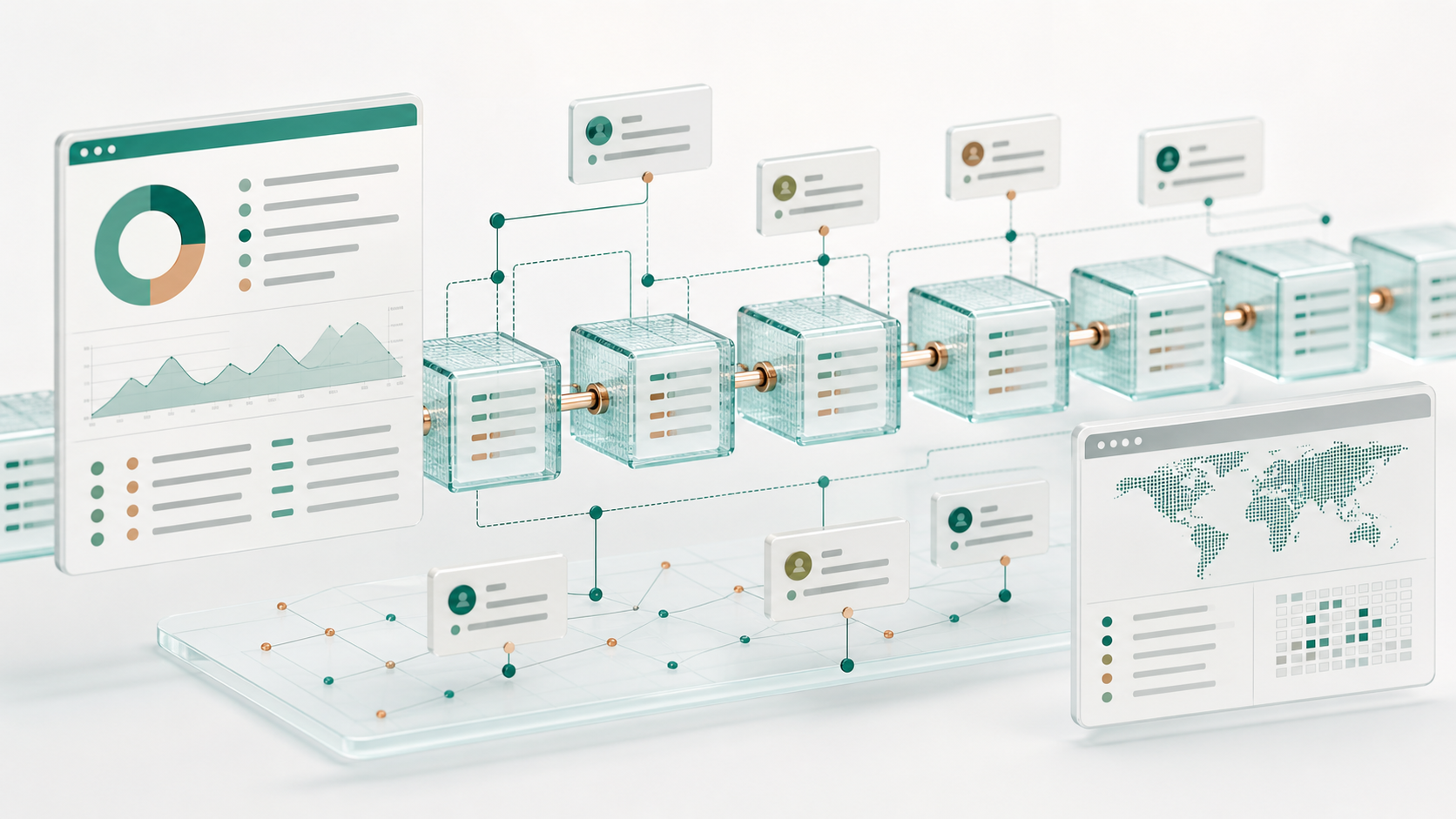
Private does not mean invisible. Public chains are still public where activity touches them. Depending on the system, observers may still see deposits, withdrawals, contract interactions, token movements, or other public events.
Ethereum block explorers can show account and transaction activity. Bitcoin privacy guidance warns that address reuse and public transaction history can weaken privacy. Analytics vendors describe how public transaction graphs can be combined with address labels and other context.
The exact visibility depends on the chain and tool. A product that uses a private payment link, a shielded pool, a routing system, or a cross-chain flow will have different assumptions.
What Private Swaps Cannot Fix
Private swaps cannot fix:
- An exchange account that already knows your identity.
- A wallet address you already posted publicly.
- A long history of reused addresses.
- A screenshot, invoice, ENS name, social profile, or public donation address.
- Browser, wallet, dapp, frontend, RPC, or analytics metadata.
- A bad operational pattern, such as always moving the same amount at the same time.
- Future chain analysis techniques or future data leaks.
This does not make privacy tools useless. It means they have boundaries.
Offchain Links Still Matter
The blockchain is only one layer. Wallets, dapps, frontends, RPC providers, analytics scripts, IP addresses, and browser sessions can add context outside the chain itself. Research on Web3 wallet privacy has shown that wallet and dapp interactions can expose wallet-related information to third parties.
So if your threat model includes app-level or network-level metadata, do not evaluate a private swap only by looking at the final transaction. Ask what the whole flow touches.
The Right Way To Evaluate A Claim
When a product says it is private, ask:
- Private from whom?
- Which address link does it reduce?
- What remains public?
- Is custody involved?
- Are there logs or compliance checks?
- What chains and contracts are touched?
- Does the product explain limits clearly?
If the answer is only "trust us, it is anonymous," be careful.
FAQ
Can private swaps protect me from a friend inspecting my wallet?
They may help if the flow avoids exposing your long-term address to that friend. But if you already gave that friend your wallet address, the previous exposure remains.
Can private swaps remove exchange records?
No. If a centralized service collected account information, a private swap does not delete that record.
Can private swaps protect against analytics companies?
They may reduce some public links, depending on the design. They do not guarantee that analytics will fail, and they do not remove offchain context.
Summary
Private swaps are useful when they are treated honestly: they reduce certain links, not all traces. The goal is better financial privacy for normal users, not a promise of invisibility.
Sources
- Bitcoin.org: Protect Your Privacy: https://bitcoin.org/en/protect-your-privacy
- Ethereum.org: Block Explorers: https://ethereum.org/developers/docs/data-and-analytics/block-explorers/
- Ethereum.org: Privacy Apps: https://ethereum.org/latest/privacy-apps-on-ethereum
- USENIX Security 2023: Is Your Wallet Snitching On You? https://www.usenix.org/conference/usenixsecurity23/presentation/torres
- TRM Labs: Fundamentals Of Cryptocurrency Transaction Tracing: https://www.trmlabs.com/resources/blog/the-fundamentals-of-cryptocurrency-transaction-tracing
Editor Note
Reviewed 2026-06-09 by Sofia. Removed over-broad phrasing, kept the practical evaluation framework, and preserved source discipline around analytics and metadata claims. No new verification TODOs added.