Yes, if someone knows your public wallet address on a transparent blockchain, they can usually look it up and see the balance and transaction history tied to that address. They do not get your private key. They do not automatically get your legal name. But they may see more of your financial life than you meant to share.
That is the tradeoff many beginners miss. You can hold your own money without asking a bank for permission, but the public parts of that system can be very public.
The Short Version
On public blockchains like Bitcoin and Ethereum, wallet addresses are designed to be visible. Transactions need to be verified by the network, so the public record includes information about where funds moved and which addresses were involved.
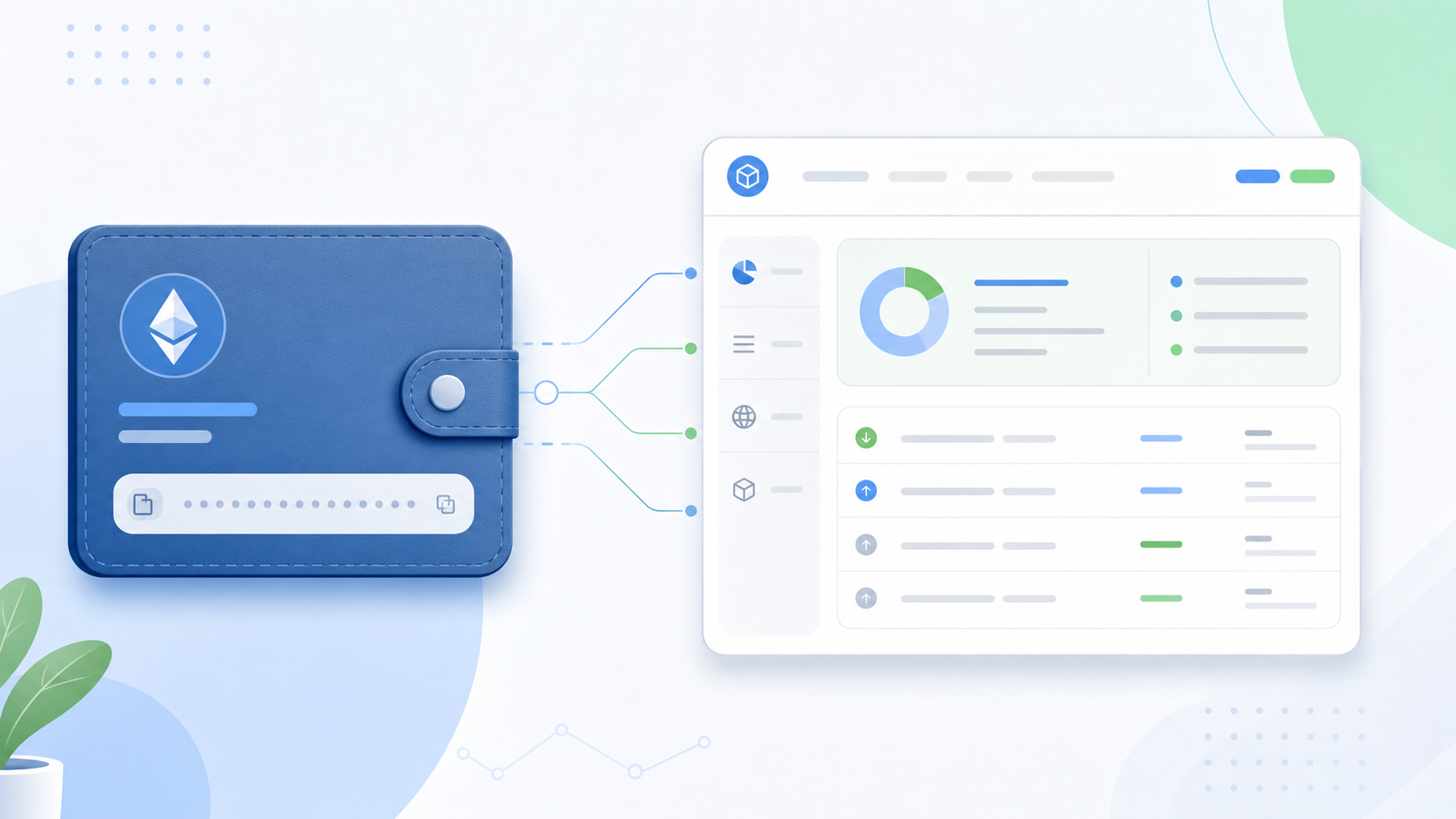
If a friend, client, customer, or random person knows one of your wallet addresses, they may be able to open a block explorer and inspect:
- Current balance
- Past incoming payments
- Past outgoing payments
- Token holdings
- Contract interactions
- Other addresses you have interacted with
That does not mean they know everything about you. It does mean one payment can accidentally reveal a long wallet history.
Your Public Address Is Not Like A Private Bank Account Number
In banking, if you send money to a friend, they usually see the payment details for that transaction. They do not get a live view of your full account balance, your other payments, or every other person you paid that month.
Crypto can work differently.
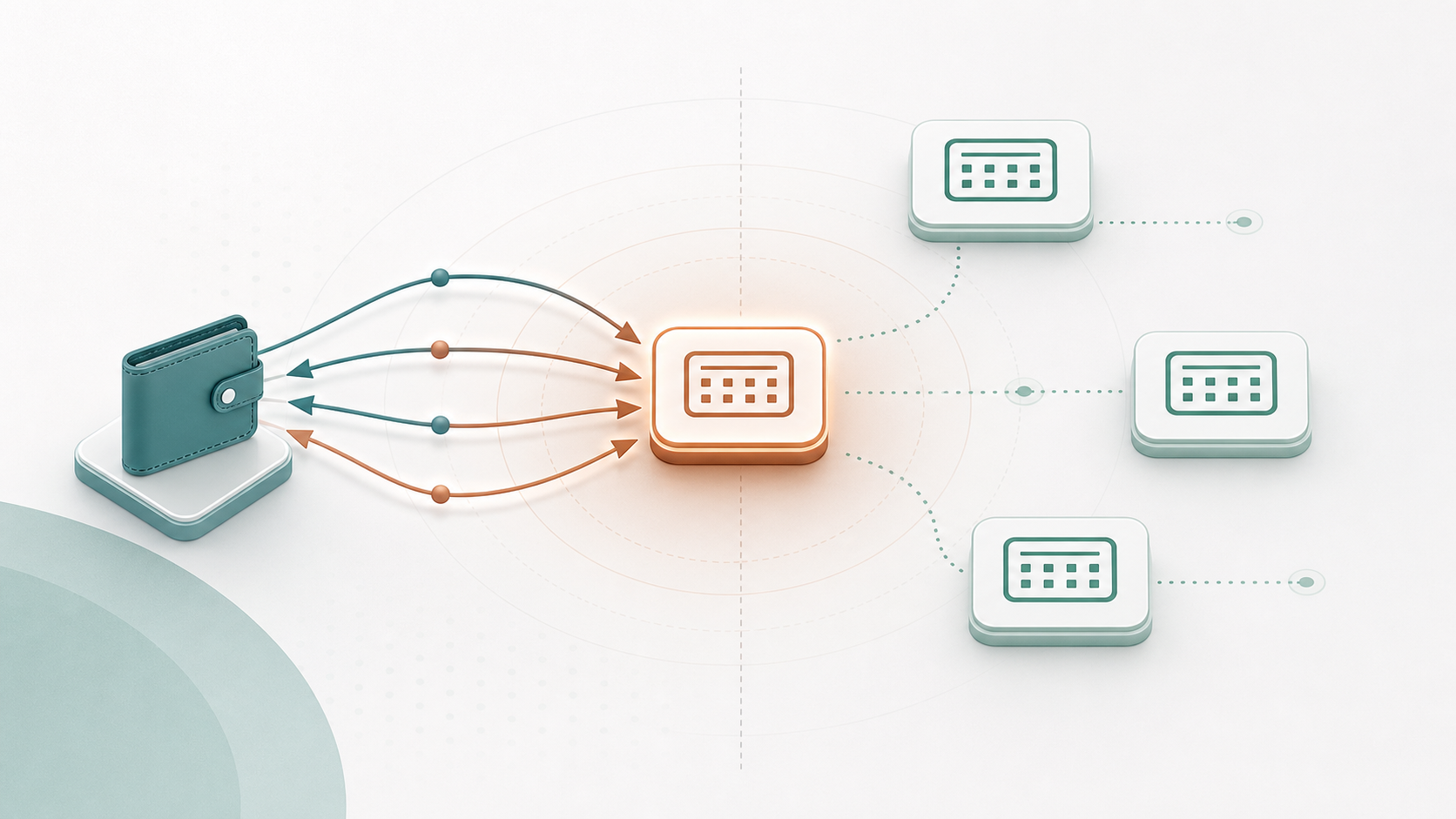
If you pay from a public wallet address, the receiving person may be able to search that address later. On Ethereum, block explorers are built specifically to show data about accounts, transactions, balances, and other onchain activity. Ethereum.org describes block explorers as a way to see real-time data about blocks, transactions, accounts, and onchain activity.
Bitcoin.org makes the same broad point for Bitcoin privacy: Bitcoin transactions are public and traceable, and anyone can inspect the balance and transactions of a known address.
That visibility is useful for verification. It is also a privacy tradeoff.
What Someone Can Usually See
What people can see depends on the chain, wallet, explorer, and asset. But on transparent chains, the basic pattern is similar.
They may see the balance of the address. If the address holds ETH, BTC, stable coins, NFTs, or other visible tokens, those may show up.
They may see transaction history. That can include when funds came in, when funds went out, and which addresses were involved.
They may see smart contract activity. On Ethereum and other EVM chains, a wallet does more than send simple payments. It can swap, bridge, mint, approve tokens, claim rewards, and interact with apps.
They may see patterns. Timing, repeated counterparties, repeated deposits, and reused addresses can all create a picture. It may not be a perfect picture, but it can still be uncomfortable.
What They Cannot See Just From Your Address
A public wallet address does not reveal your seed phrase or private key.
It does not automatically reveal your passport name, home address, email, or phone number.
It does not prove that every transaction connected to the address was personally made by you. Wallets can be shared, compromised, automated, or used by businesses.
But crypto privacy problems often come from links. Your address may start as just an address. Then you share it with a friend. Use it for a public donation. Withdraw to it from an exchange. Connect it to apps. Put it in an invoice. Over time, the address can become less like a random string and more like a public profile.
The Friend Payment Problem
This is the everyday example that matters.
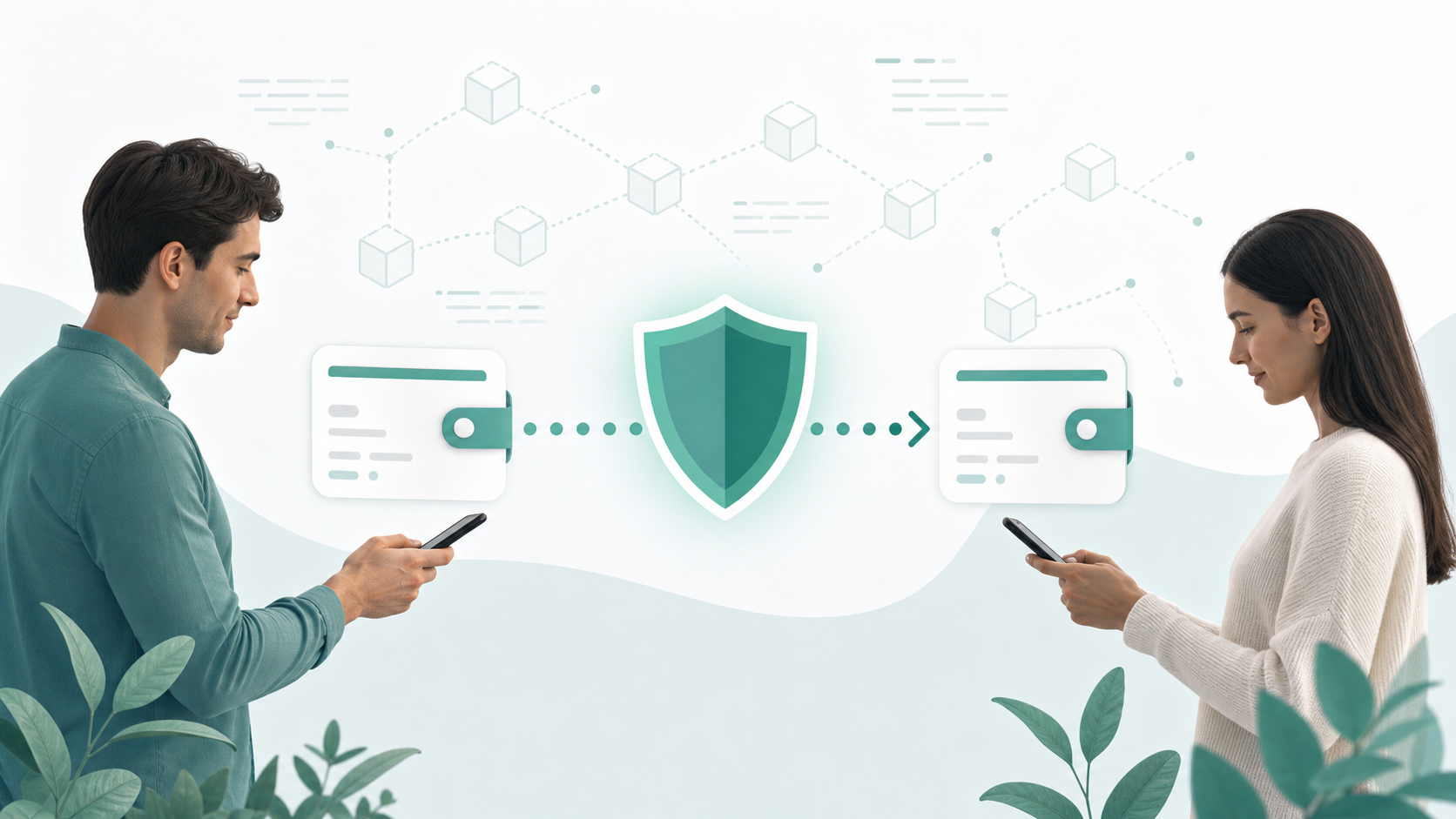
You owe a friend money for dinner. You send them crypto from your main wallet. They receive the funds, copy your sending address, and paste it into a block explorer.
Now they may see your wallet balance, other payments, tokens, and past activity. Maybe they do not care. Maybe they are curious. Maybe they mention it later. The point is that you probably did not intend to share your whole wallet story just because you paid back dinner.
That is why wallet privacy is not only for traders, businesses, or people doing something unusual. It is normal personal privacy.
Why Address Reuse Makes This Worse
Address reuse means using the same public address again and again.
Bitcoin.org recommends using a new Bitcoin address each time you receive a new payment because reused addresses weaken privacy. The basic idea is simple: if the same address is used for many different payments, those payments become easier to connect.
On account-based chains like Ethereum, address reuse is often part of normal app behavior. One account may hold tokens, use DeFi apps, receive payments, and interact across multiple EVM networks. That makes it even more important to think before using your main wallet for everything.
Practical Habits That Help
You do not need to become paranoid. You just need better wallet hygiene.
Use separate wallets or accounts for separate contexts. A long-term savings wallet, a DeFi wallet, and a public payment wallet should not all be the same address by default.
Avoid using your main wallet for small public payments. If a payment will reveal an address to another person, think about what else that address shows.
Do not post your main wallet address publicly unless you are comfortable with people inspecting it.
Check your own address in a block explorer. It is easier to understand the risk when you see what others can see.
Use privacy-focused payment tools when the goal is normal payment privacy, but be realistic. A tool should explain what it protects, what it does not protect, and what data it may still expose.
Common Misconceptions
"My wallet is private because only I have the seed phrase."
Your seed phrase is private. Your public address activity may not be.
"If nobody knows my real name, it does not matter."
Maybe. But identity links can form over time through exchanges, invoices, friends, apps, public posts, and repeated habits.
"A new wallet fixes everything."
A new wallet can help separate future activity. It does not erase public history from an old wallet, and careless transfers between wallets can create links.
"Only Bitcoin has this problem."
No. Ethereum and many other public chains also expose account and transaction data. The exact details differ, but the privacy issue is broader than one chain.
FAQ
Can someone steal my crypto if they see my wallet address?
Not just from the address. They need your private key, seed phrase, or another way to control your wallet. Still, public visibility can create scams, unwanted attention, or social risk.
Can someone see all my wallets?
Not automatically. They can see addresses and public links between them. If you move funds between wallets or reuse addresses in the same places, those wallets may become easier to connect.
Can people see my stablecoin balance?
On many public chains, yes. If the token and address are visible through an explorer, people may be able to see token balances and transfers.
Is a private swap the same as hiding my identity?
No. A private swap or privacy-focused payment flow may reduce certain public links, but it should not be treated as an identity shield. Good privacy means understanding what is exposed and reducing unnecessary exposure.
Summary
People cannot see your private key from your wallet address. But if they know your address on a transparent blockchain, they may be able to see balances, transactions, tokens, and patterns tied to that address.
That is why wallet privacy matters for normal users. Sending crypto should not automatically mean handing someone a window into your whole wallet history.
Sources
- Bitcoin.org: Protect Your Privacy: https://bitcoin.org/en/protect-your-privacy
- Ethereum.org: Block Explorers: https://ethereum.org/developers/docs/data-and-analytics/block-explorers/
- Ethereum.org: Ethereum Accounts: https://ethereum.org/developers/docs/accounts/
- Ethereum.org: Transactions: https://ethereum.org/developers/docs/transactions/
- MetaMask Help: How to copy your public address: https://support.metamask.io/configure/wallet/how-to-copy-your-metamask-account-public-address-/
Editor Note
Reviewed 2026-06-09 by Sofia. Reworked generic phrasing, preserved sourced claims about block explorers and public addresses, and kept the article clear about what a public address does and does not reveal. No new verification TODOs added.