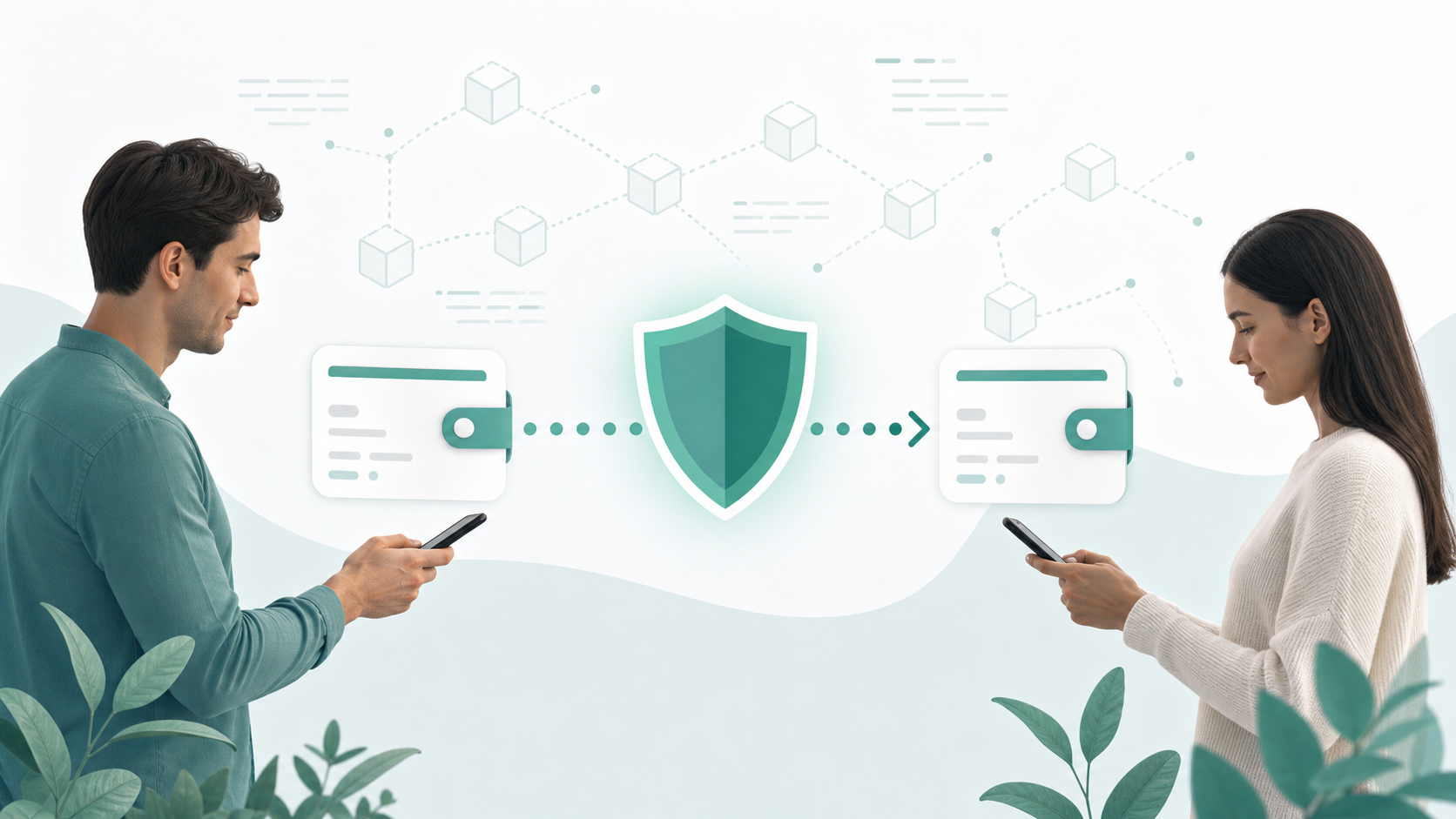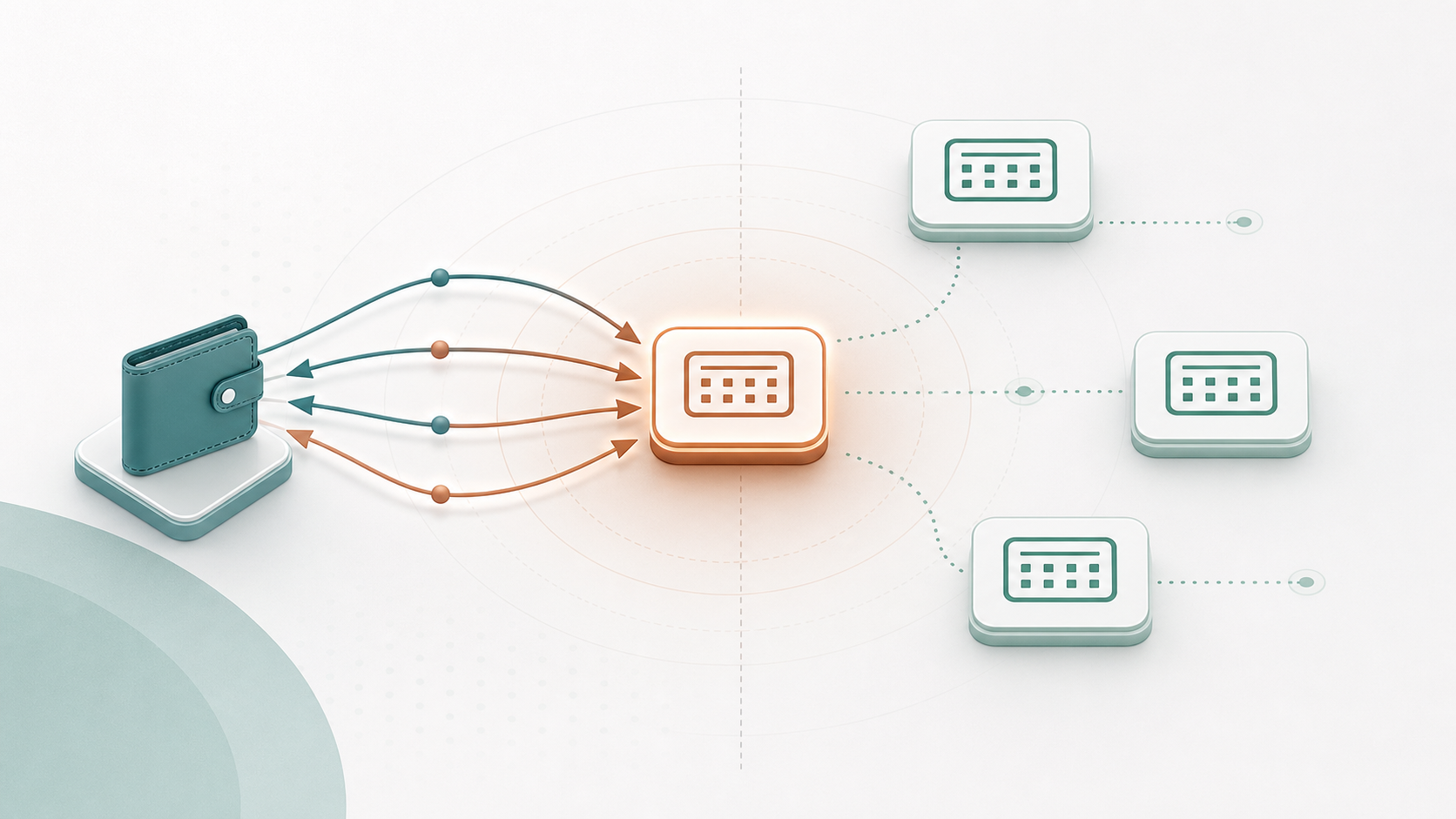
On public blockchains, transactions are meant to be visible enough for the network to verify them. That visibility is part of what makes crypto work without a bank in the middle. But it also means wallet activity can reveal more than many users expect.
The simple version: public blockchains do not usually publish your legal name, but they can publish addresses, transaction details, balances, token movements, and smart contract interactions. If someone can connect an address to you, that public data becomes personal very quickly.
Why Blockchains Make Data Public
A public blockchain is not a private payment database. It is a shared record. Network participants need to agree on what happened, which balances changed, and which transactions are valid.
That is why public-chain data is inspectable. It helps users, wallets, exchanges, apps, researchers, and validators confirm activity without trusting a single company.
The tradeoff is privacy. A system built for public verification can also become a system where normal users accidentally expose payment patterns.
What A Public Transaction Can Reveal
The exact fields depend on the blockchain, but public transactions often reveal the same basic kinds of information.
They can show the sending address. This is the public address that started the transaction.
They can show the receiving address. This might be another wallet, an exchange deposit address, a smart contract, or a payment address.
They can show the amount or value moved. On Ethereum, transaction data includes value and other fields needed to process the transaction. On Bitcoin, public transaction history can be inspected through the chain.
They can show timing. A transaction has a time or block context, which can create patterns.
They can show fees. Fees may reveal urgency, network conditions, or app behavior.
They can show smart contract data. On Ethereum and similar chains, interacting with a token, swap, NFT, bridge, or app can create public contract activity.
What A Wallet Or Account Page Can Reveal
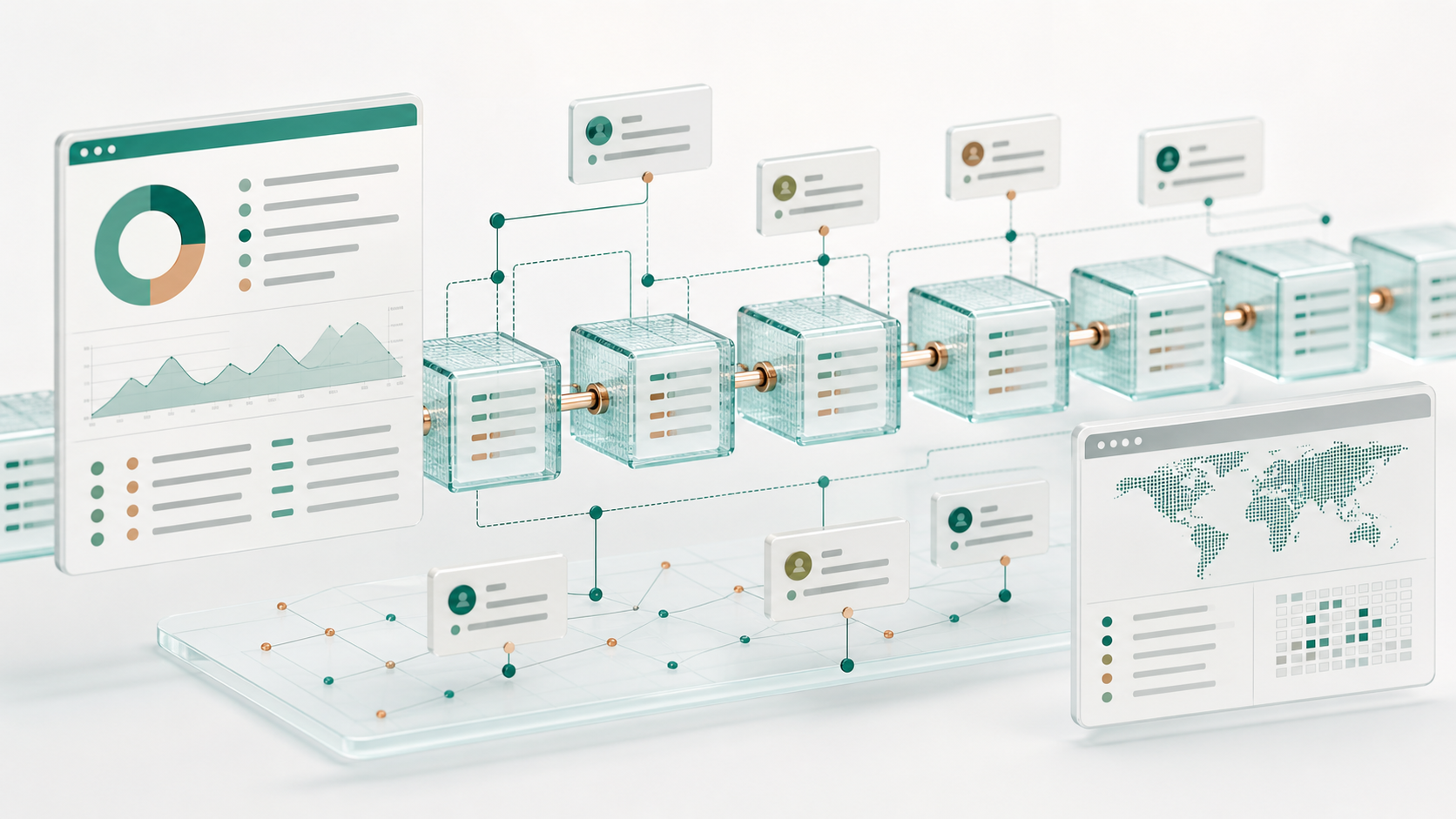
Block explorers turn chain data into a readable interface. Ethereum.org describes block explorers as tools for viewing real-time information about blocks, transactions, accounts, and onchain activity.
If someone opens a public account page, they may see:
- Native coin balance
- Token balances
- NFT activity
- Incoming transactions
- Outgoing transactions
- Contract interactions
- Approvals or app activity
- Other addresses the wallet has touched
This does not mean every explorer shows every detail in the same way. But the basic point is consistent: a public wallet address can have a public history.
What Public Blockchain Data Does Not Automatically Reveal
Public blockchain data does not automatically reveal your private key. Nobody can spend your funds just because they saw your public address.
It does not automatically reveal your seed phrase. That stays private unless you leak it, store it badly, type it into a scam site, or lose device security.
It does not automatically reveal your legal identity. A blockchain address is not a passport name.
But "not automatically" is doing important work. Identity can be linked through other signals: exchange withdrawals, public donation pages, invoices, app profiles, social posts, payment requests, repeated address use, or someone you paid.
The Difference Between Public Facts And Inferences
A public fact is something directly visible onchain. For example, an address sent a transaction to another address at a certain time.
An inference is a guess or conclusion based on patterns. For example, someone might infer that two addresses belong to the same person because they interact often, receive funds from the same source, or move funds in a familiar pattern.
Good crypto privacy writing should keep those separate. The chain may show activity. Analysts, users, apps, and companies may infer meaning from that activity. Those are related, but they are not the same thing.
Everyday Example: Paying A Friend
Imagine you send a friend $100 worth of crypto from your main wallet.
Your friend only needed to receive one payment. But if they look up the sending address, they may also see your token holdings, other payments, and app interactions. They might see that you use a certain exchange, hold a certain token, or interact with certain DeFi contracts.
That is not because your friend hacked you. It is because you used a public address on a public system.
This is why wallet privacy matters for normal people. You can believe in open crypto networks and still want basic payment privacy.
Common Public Data Points
Address
A public address is the identifier people use to send or receive funds. It is safe to share in the sense that it does not reveal your private key. It is not private in the sense that its public activity may be inspectable.
Balance
On many transparent chains, an address balance or token holdings can be visible through a block explorer.
Transaction History
Past transactions can reveal repeated patterns: who paid whom, when funds moved, and which apps or contracts were used.
Token Activity
Token transfers, NFT activity, approvals, and app interactions can add context to a wallet's public profile.
Contract Interactions
A contract interaction may show that a wallet swapped, bridged, minted, staked, approved spending, or used a specific app.
Why This Matters For Privacy
Financial privacy is not only about hiding from enemies. It is about not oversharing by default.
Your friend does not need your full wallet history.
Your client does not need to see every other client.
Your supplier does not need your treasury map.
Your public donation address does not need to be your long-term savings wallet.
Crypto gives people more control, but control includes deciding what not to expose.
FAQ
Is all blockchain data public?
No. Different chains and systems have different privacy models. But many major public blockchains expose transaction and address activity by design.
Can people see my name on the blockchain?
Usually not directly from the chain. But your address can become linked to your identity through exchanges, apps, invoices, social posts, or people you transact with.
Can people see my private key?
No. A public address does not reveal your private key or seed phrase.
Are smart contract interactions public?
On transparent smart contract chains, many contract interactions are visible. Explorers may show token transfers, approvals, swaps, mints, and other activity.
Is public blockchain data bad?
No. Public verification is one reason crypto works. The problem is assuming that public verification means personal privacy is automatic. It is not.
Summary
Public blockchains can reveal addresses, balances, transaction history, token activity, and smart contract interactions. They do not automatically reveal your private key or legal identity, but public data can become personal when an address is linked to you.
The goal is not to fear public blockchains. The goal is to use them with better wallet hygiene and a clearer idea of what you are sharing.
Sources
- Ethereum.org: Transactions: https://ethereum.org/developers/docs/transactions/
- Ethereum.org: Block Explorers: https://ethereum.org/developers/docs/data-and-analytics/block-explorers/
- Bitcoin.org: Protect Your Privacy: https://bitcoin.org/en/protect-your-privacy
Editor Note
Reviewed 2026-06-09 by Sofia. Structure already matched the search intent, so edits stayed conservative and source-backed. No new verification TODOs added.