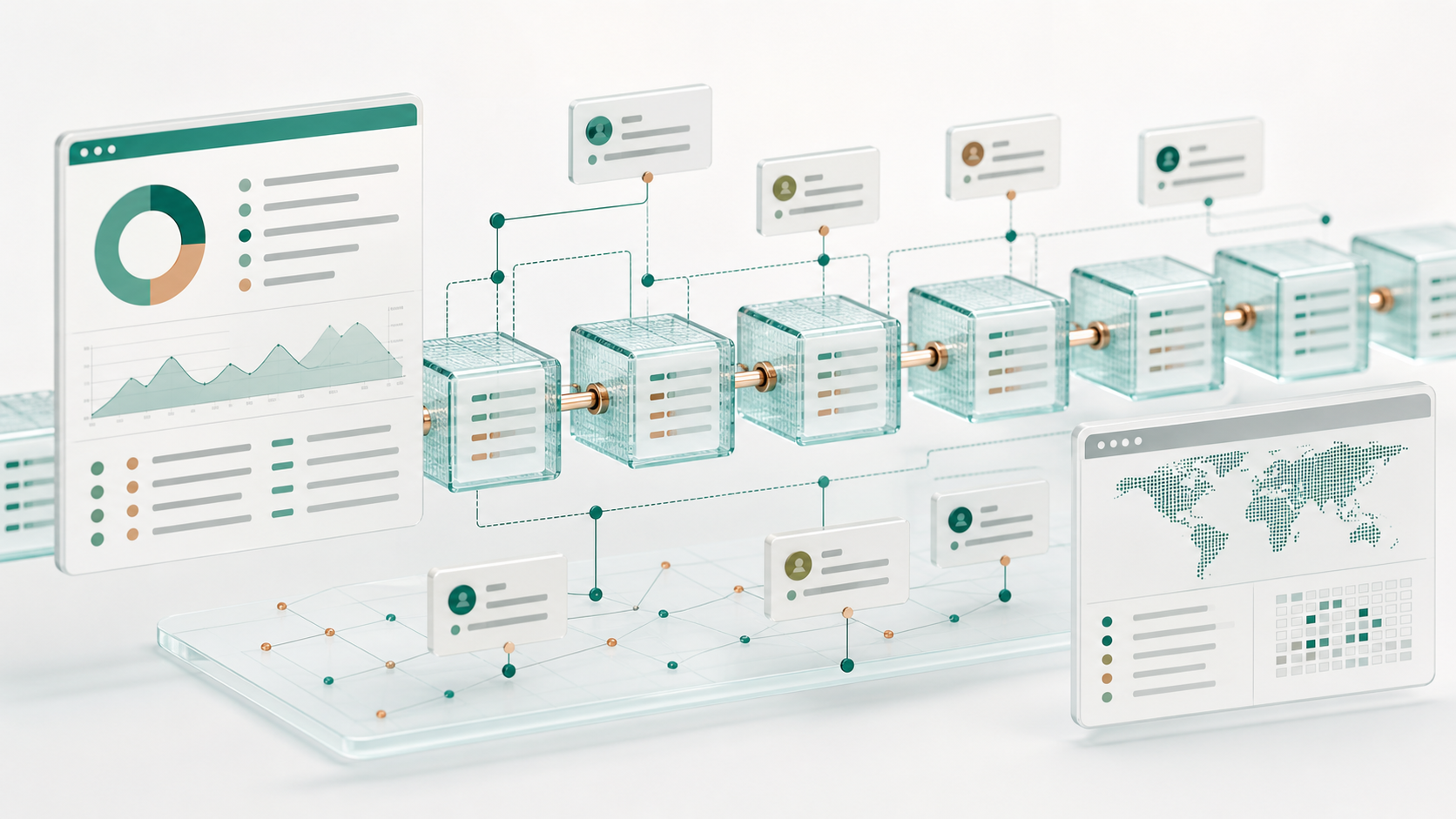
Most crypto privacy mistakes are not dramatic. They are small repeated habits: reusing an address, connecting the same wallet everywhere, posting a receiving address publicly, or assuming one swap makes the rest of a wallet private.
Many of those habits are avoidable. Once a public link exists, though, it can be hard to undo, so wallet hygiene matters before the address is shared.
The Short Version
The most common crypto privacy mistake is treating a public wallet address like a private account. On transparent chains, a wallet address can become a visible activity trail. If that address gets connected to your name, business, social profile, or another wallet, more of your activity can become easy to inspect.
Privacy is not one switch. It is a set of habits that reduce different kinds of linkability.
Mistake 1: Reusing The Same Address Everywhere
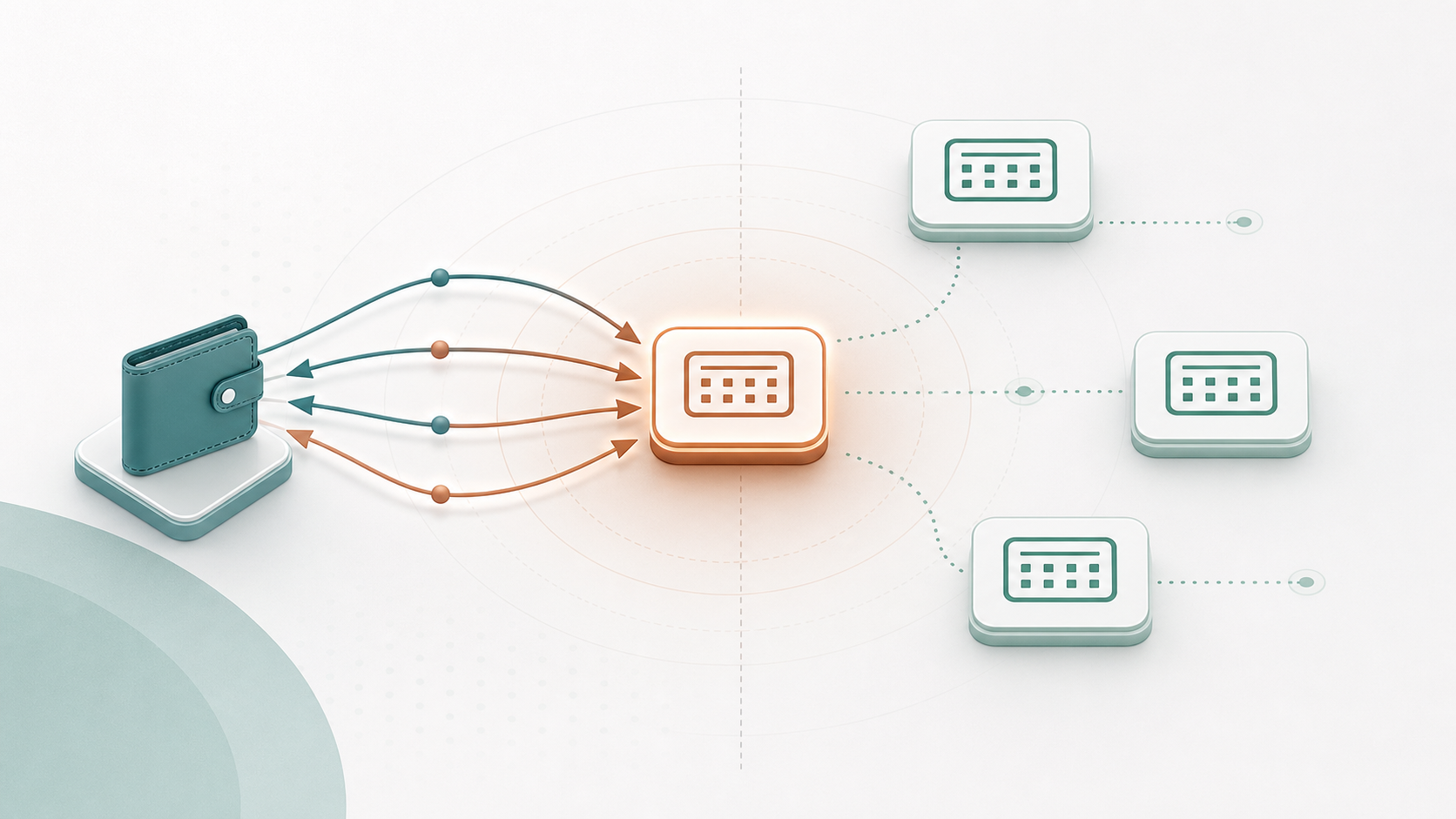
Address reuse is convenient, but it is one of the simplest ways to create a public wallet profile. Bitcoin privacy guidance warns against address reuse because it can make separate payments easier to connect. Ethereum accounts are also public addresses with visible account activity.
What to do instead: where your wallet and chain support it, use fresh receiving addresses or separate wallets for different purposes. At minimum, do not use one public address for everything.
Mistake 2: Posting A Wallet Address Publicly
A public donation address, NFT profile, invoice, Discord post, or social bio can connect a wallet to an identity. Once that happens, anyone can inspect whatever is visible on that address.
What to do instead: assume any address you publish may become part of your public identity. Use public-facing wallets intentionally, not accidentally.
Mistake 3: Mixing Personal, Work, Trading, And Testing Activity
One wallet for everything creates one visible story. A wallet used for work payments, memecoin trades, NFT mints, personal transfers, and dapp testing can reveal more context than any single transaction.
What to do instead: separate wallets by purpose. This is not a guarantee of anonymity, but it reduces accidental merging of unrelated activity.
Mistake 4: Assuming A Swap Erases History
A regular DEX swap is still an onchain interaction. Ethereum block explorers can show transactions, accounts, token transfers, and smart-contract activity. Swapping tokens does not automatically make the source wallet private.
What to do instead: think of swaps as trades, not privacy resets. If a tool claims to improve privacy, ask exactly which link it reduces and what remains visible.
Mistake 5: Ignoring Tokens, NFTs, And Approvals
Wallet privacy is not only about native coin transfers. Token holdings, NFT activity, approvals, and contract interactions can all add context.
What to do instead: review what a wallet publicly holds and which contracts it has interacted with. Keep high-risk dapp activity away from wallets you treat as private or professional.
Mistake 6: Connecting The Same Wallet To Every App
Dapps and frontends can learn wallet-related information outside the chain itself. Research on Web3 wallet privacy has shown that wallet and dapp interactions can expose information to third parties.
What to do instead: use separate wallets for testing, public profiles, and higher-value activity. Be careful with unknown apps and unnecessary wallet connections.
Mistake 7: Believing Absolute Privacy Claims
Words like "anonymous," "untraceable," and "invisible" are often too strong. Good privacy tools explain limits. Bad ones sell certainty.
What to do instead: prefer tools and guides that use cautious language: reduce linkability, minimize exposure, improve privacy, and explain remaining risks.
Quick Checklist
- Do not reuse addresses without thinking.
- Do not post private-use wallets publicly.
- Separate wallets by purpose.
- Treat swaps as visible unless you know otherwise.
- Review token approvals and connected apps.
- Avoid turning one wallet into your whole identity.
- Be skeptical of guaranteed anonymity claims.
Summary
Crypto privacy usually fails through patterns. A single address becomes a profile. One public post links a wallet to a person. One wallet gets used for too many unrelated things. The fix is not paranoia. It is deliberate wallet hygiene.
Sources
- Bitcoin.org: Protect Your Privacy: https://bitcoin.org/en/protect-your-privacy
- Bitcoin Optech: Output Linking: https://bitcoinops.org/en/topics/output-linking/
- Ethereum.org: Ethereum Accounts: https://ethereum.org/developers/docs/accounts/
- Ethereum.org: Block Explorers: https://ethereum.org/developers/docs/data-and-analytics/block-explorers/
- USENIX Security 2023: Is Your Wallet Snitching On You? https://www.usenix.org/conference/usenixsecurity23/presentation/torres
Editor Note
Reviewed 2026-06-09 by Sofia. Tightened the introduction, preserved the source-backed structure, and kept cautious language around privacy limits. No new verification TODOs added.