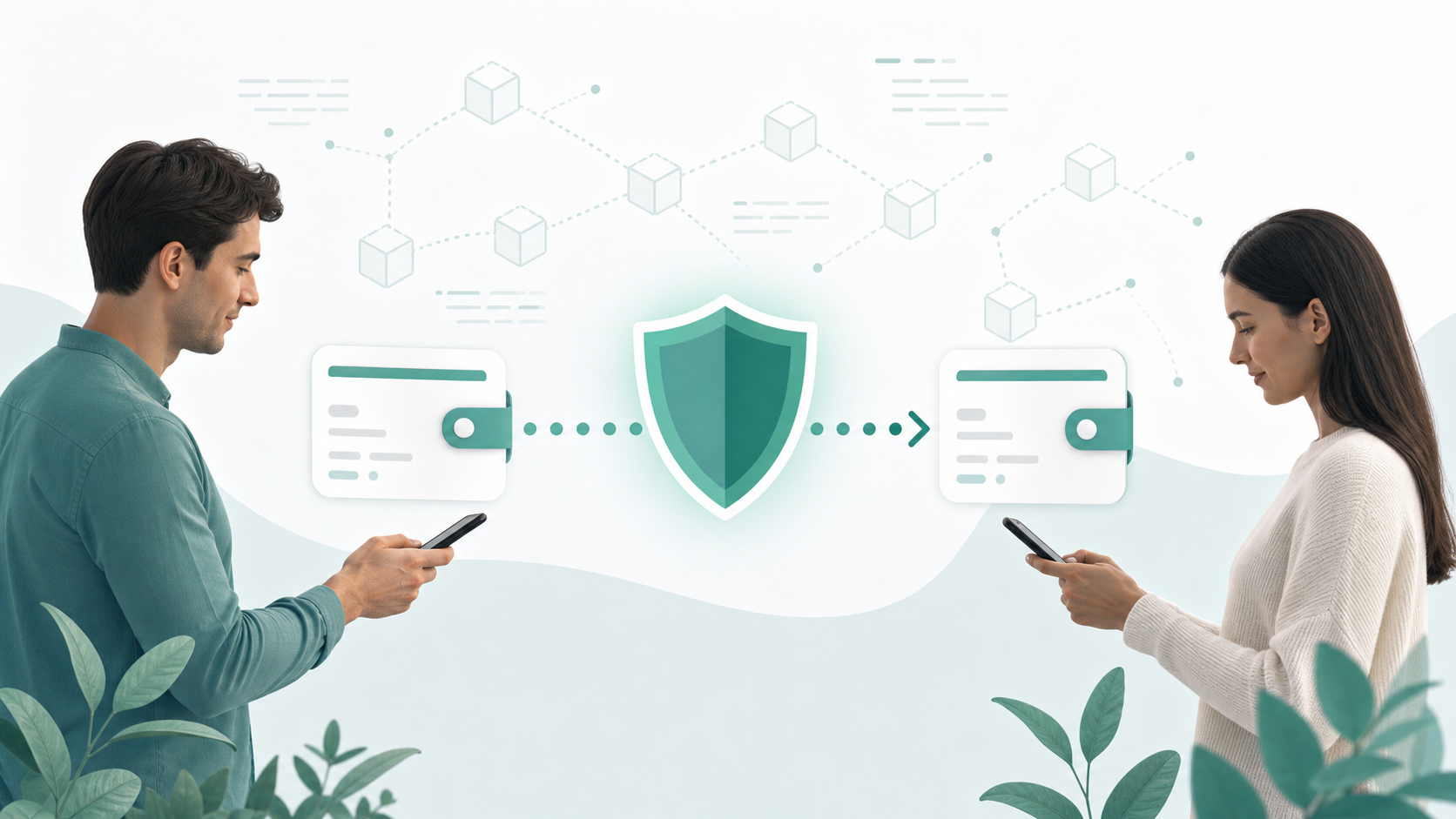
Crypto privacy is often framed as suspicious. That framing is too narrow. Financial privacy has normal, legitimate uses: personal safety, business confidentiality, payroll discretion, donation privacy, trading strategy, and avoiding unnecessary exposure of a full wallet history.
Privacy does not excuse fraud, theft, sanctions evasion, tax evasion, or other illegal activity. But wanting less public financial exposure is not automatically suspicious.
The Short Version
Anyone whose wallet activity can reveal sensitive personal, business, or operational information may have a legitimate reason to care about crypto privacy.
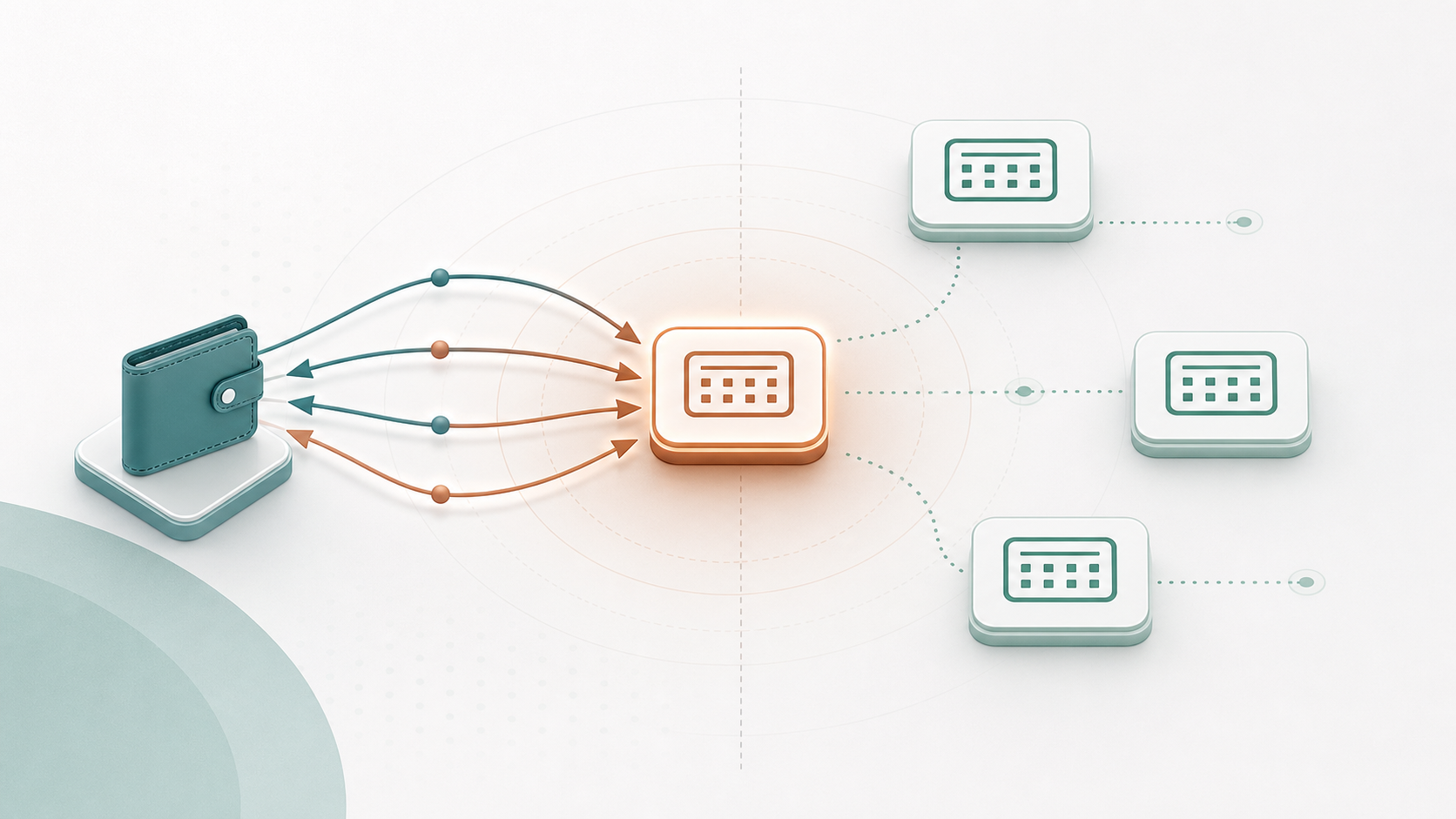
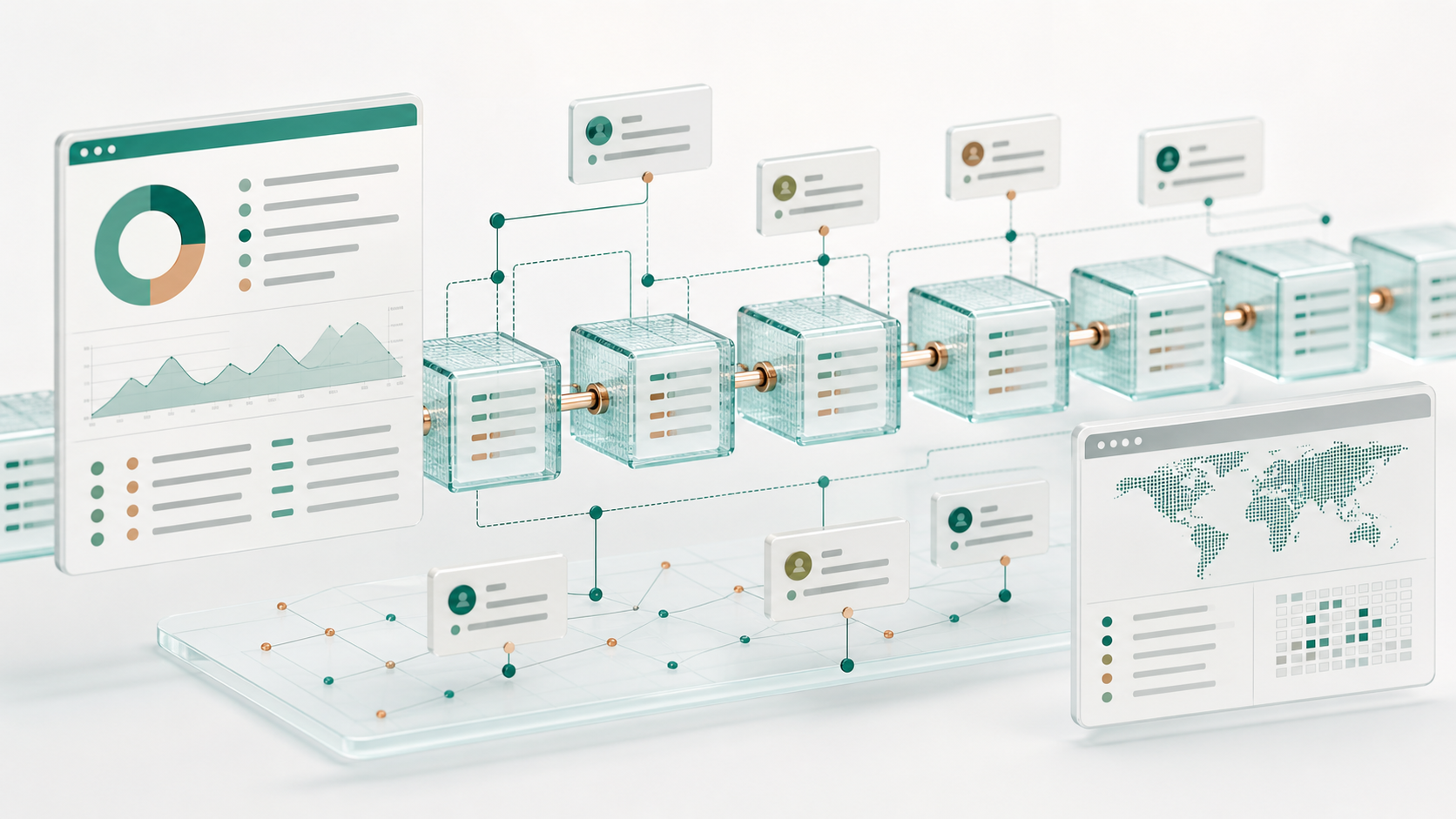
Public-chain crypto is often pseudonymous, not anonymous. A wallet address may not show a legal name by itself, but it can still show balances, token movements, transactions, app interactions, timing, and patterns. If that address becomes linked to a person or organization, the visibility becomes more serious.
Everyday Users
Normal users may care about privacy because a single payment can reveal more than intended. If you pay someone from a wallet that holds other assets, the recipient may be able to inspect that wallet later. They may see balances, old transactions, NFTs, token activity, or repeated counterparties.
That does not mean every recipient will inspect it. It means the data may be available.
Freelancers And Contractors
Freelancers may not want every client to see payments from other clients. A public wallet can accidentally reveal business relationships, payment timing, or income patterns.
This is a normal business privacy concern. The same person who would not publish every bank transfer may still accidentally reuse one crypto address for invoices.
Builders And Product Teams
Crypto builders may use wallets for testing, grants, deployments, treasury operations, payroll, user research, or vendor payments. If those wallets are not separated, public activity can reveal operational details before the team intends to share them.
The goal is not secrecy for its own sake. It is reducing accidental leakage.
Traders And Investors
Traders may care about privacy because public wallets can reveal positions, timing, token flows, and strategy hints. Public visibility can create copytrading, targeting, or unwanted attention.
This does not mean all trading activity should be hidden. It means users should understand what a public wallet can reveal and choose wallet structure deliberately.
Public Figures And Creators
Creators, streamers, DAO contributors, and public figures may receive donations or payments. If they reuse a personal wallet, supporters may be able to inspect unrelated balances or past activity.
A public receiving wallet can be useful, but it should be treated as public. It should not become the same wallet used for private savings or unrelated personal activity.
Businesses And Treasuries
Businesses and DAOs may need transparency for some activities and privacy for others. Public treasury addresses can be useful for accountability. Operational wallets may need more separation so routine payments, vendor relationships, and internal flows are not accidentally overexposed.
The right answer depends on governance, reporting duties, and the audience. Privacy and accountability can coexist when wallet roles are clear.
What Privacy Does Not Excuse
Privacy is not a free pass. It does not remove legal obligations, exchange rules, tax responsibilities, contractual duties, or sanctions/compliance requirements. This site does not give legal advice.
The point is narrower: users should not have to expose their entire wallet story just to make one normal payment or use one app.
Practical First Steps
- Use separate wallets for public receiving, personal use, testing, and work.
- Do not post a wallet unless you are comfortable treating it as public.
- Avoid reusing addresses when fresh addresses are available.
- Keep records of which wallet serves which purpose.
- Be skeptical of tools that promise total anonymity.
- Learn what block explorers can show before assuming a wallet is private.
Summary
Legitimate crypto privacy is about data minimization. It helps normal users avoid oversharing. It helps businesses reduce unnecessary exposure. It helps public people receive payments without publishing their whole financial trail. The honest goal is not invisibility. It is proportional privacy.
Sources
- Bitcoin.org: Protect Your Privacy: https://bitcoin.org/en/protect-your-privacy
- Ethereum.org: Ethereum Accounts: https://ethereum.org/developers/docs/accounts/
- Ethereum.org: Block Explorers: https://ethereum.org/developers/docs/data-and-analytics/block-explorers/
- Ethereum.org: Privacy Apps: https://ethereum.org/latest/privacy-apps-on-ethereum
- USENIX Security 2023: Is Your Wallet Snitching On You? https://www.usenix.org/conference/usenixsecurity23/presentation/torres
Editor Note
Reviewed 2026-06-09 by Sofia. Kept the legitimacy framing narrow, preserved compliance caveats, and avoided adding unsupported legal or threat-model claims. No new verification TODOs added.