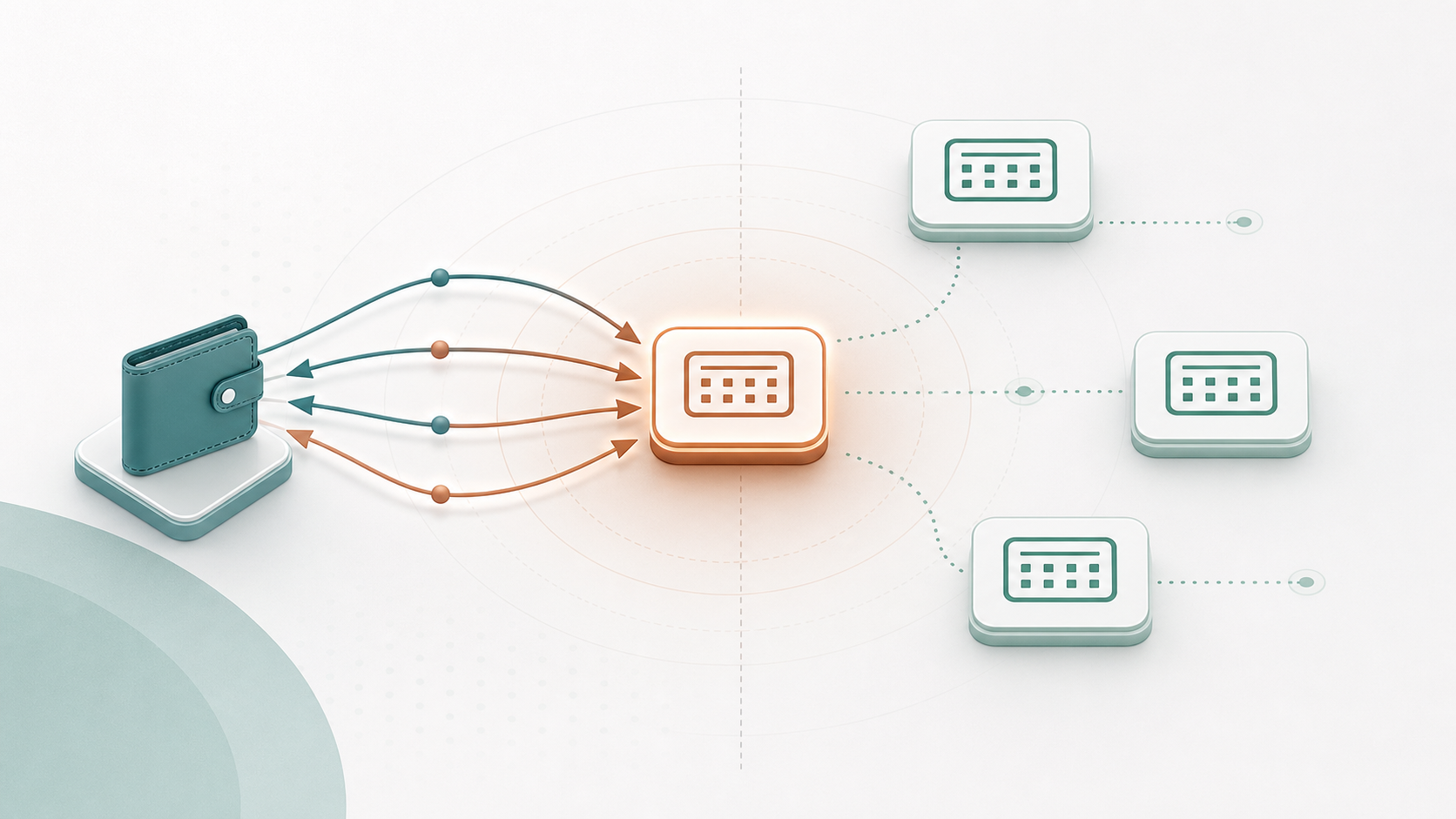
Regular DEX swaps and private swaps solve different problems. A regular DEX swap is mainly about trading one token for another through onchain liquidity. A private swap is mainly about reducing how much wallet relationship data is exposed while moving value between assets, chains, or people.
That does not mean private swaps are automatically better. It means the comparison starts with a different question: are you only trying to trade, or are you also trying to avoid exposing a broader wallet history to the other side, to casual observers, or to people using public explorers?
The Short Version
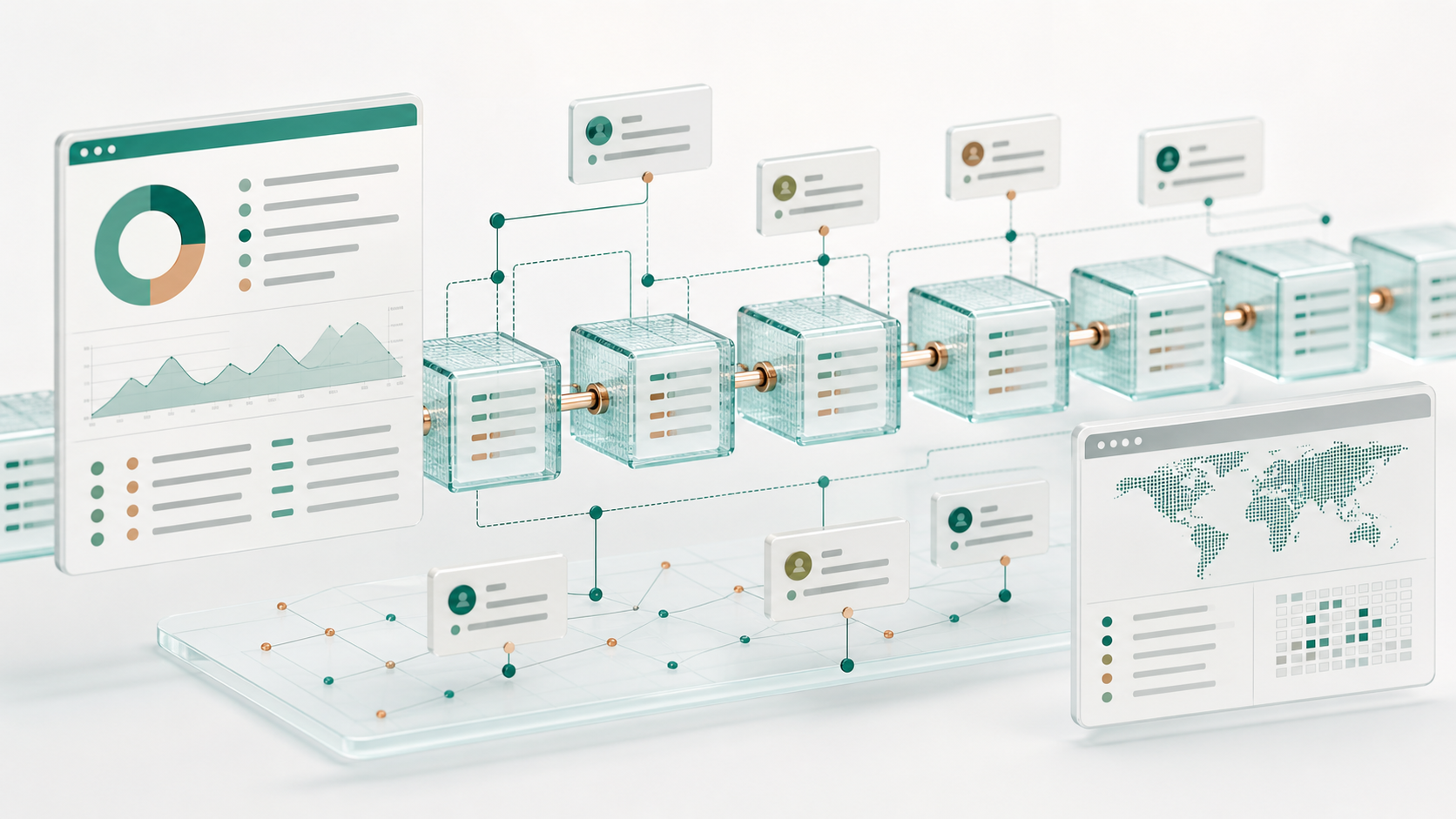
A regular DEX swap is usually transparent on the chain where it happens. Public explorers can show the transaction, the sending address, the contract interaction, token transfers, fees, timestamps, and the account history around that swap.
A private swap tries to reduce specific links. Depending on the design, it may reduce how easily a sender and receiver connect each other's wallet histories, how obvious a swap path looks to a casual observer, or how much address information one party needs to share with another. It does not erase every trace, remove exchange records, or guarantee anonymity.
What A Regular DEX Swap Usually Reveals
On Ethereum-style public chains, a regular swap is a smart-contract interaction. Ethereum block explorer documentation describes explorers as tools for viewing blocks, transactions, accounts, and onchain activity. Ethereum transaction data can include the sender, recipient or contract address, value, fees, gas, nonce, input data, and related token movements.
In practical terms, someone looking at a public wallet may be able to see that the wallet interacted with a DEX contract, which tokens moved, roughly when it happened, and what the wallet did before and after.
Uniswap documentation describes the protocol as onchain smart contracts that let users swap tokens, provide liquidity, and create markets. That is useful because it is open and verifiable. The privacy tradeoff is that the interaction is part of a public transaction history.
What A Private Swap Tries To Reduce
A private swap is not one single technical design. The broad goal is to reduce unnecessary linkability.
It may help with:
- Not exposing a long-term receiving wallet to the sender.
- Reducing casual wallet-to-wallet history inspection.
- Separating a payment experience from a public DEX swap trail.
- Avoiding the awkward situation where one payment reveals the rest of a wallet's balances, tokens, NFTs, and past activity.
That is why private swaps often make the most sense in everyday payment contexts. The user is not trying to become invisible. They are trying to avoid sharing more wallet history than the payment requires.
The Main Tradeoff
The regular DEX tradeoff is simple: high transparency, broad composability, and familiar DeFi mechanics, but public wallet activity.
The private swap tradeoff is different: better privacy framing for a specific flow, but more design assumptions to understand. You need to know what the product actually hides, what remains visible, who is involved in routing, what chains are touched, and what logs or compliance checks may exist.
If a privacy product only says "anonymous" without explaining limits, that is a red flag. Good privacy tooling should be specific about what it reduces and honest about what it cannot protect from.
Which One Is Better?
For pure trading, a regular DEX may be simpler. For paying someone, receiving funds, or avoiding unnecessary wallet-history exposure, a private swap or private payment flow may be more appropriate.
The better question is:
- Do I need public composability?
- Do I need the other party to know my address?
- Would this payment reveal a wallet history I would not normally share?
- Am I relying on a product claim I have not checked?
- What does the tool say about custody, routing, limits, and compliance?
If you cannot answer those questions, slow down.
FAQ
Is a private swap the same as a mixer?
Not necessarily. "Private swap" is a broad product category. Some tools focus on private payment links, some on routing, some on shielded systems, and some on other mechanisms. Do not assume the design from the name.
Does a private swap make funds untraceable?
No honest beginner guide should promise that. A private swap may reduce specific links, but public-chain data, exchange records, timing, amounts, app metadata, and user behavior can still matter.
Are regular DEX swaps bad for privacy?
They are transparent by default. That does not make them bad. It means users should understand that a swap can become part of a visible wallet story.
Summary
Regular DEX swaps are built for open onchain trading. Private swaps are built around reducing specific wallet exposure. The right choice depends on the job. If the goal is to trade openly, a regular DEX may be enough. If the goal is to pay or receive without exposing a broader wallet history, privacy-focused flows deserve a closer look.
Sources
- Ethereum.org: Block Explorers: https://ethereum.org/developers/docs/data-and-analytics/block-explorers/
- Ethereum.org: Transactions: https://ethereum.org/developers/docs/transactions/
- Uniswap Developers: How Uniswap Works: https://developers.uniswap.org/docs/get-started/concepts/how-uniswap-works
- Uniswap Developers: Swaps: https://developers.uniswap.org/docs/get-started/concepts/traders/swaps
- Bitcoin.org: Protect Your Privacy: https://bitcoin.org/en/protect-your-privacy
- TRM Labs: Fundamentals Of Cryptocurrency Transaction Tracing: https://www.trmlabs.com/resources/blog/the-fundamentals-of-cryptocurrency-transaction-tracing
Editor Note
Reviewed 2026-06-09 by Sofia. Tightened the conclusion and preserved the careful distinction between regular DEX visibility and privacy-focused flow limits. No new verification TODOs added.