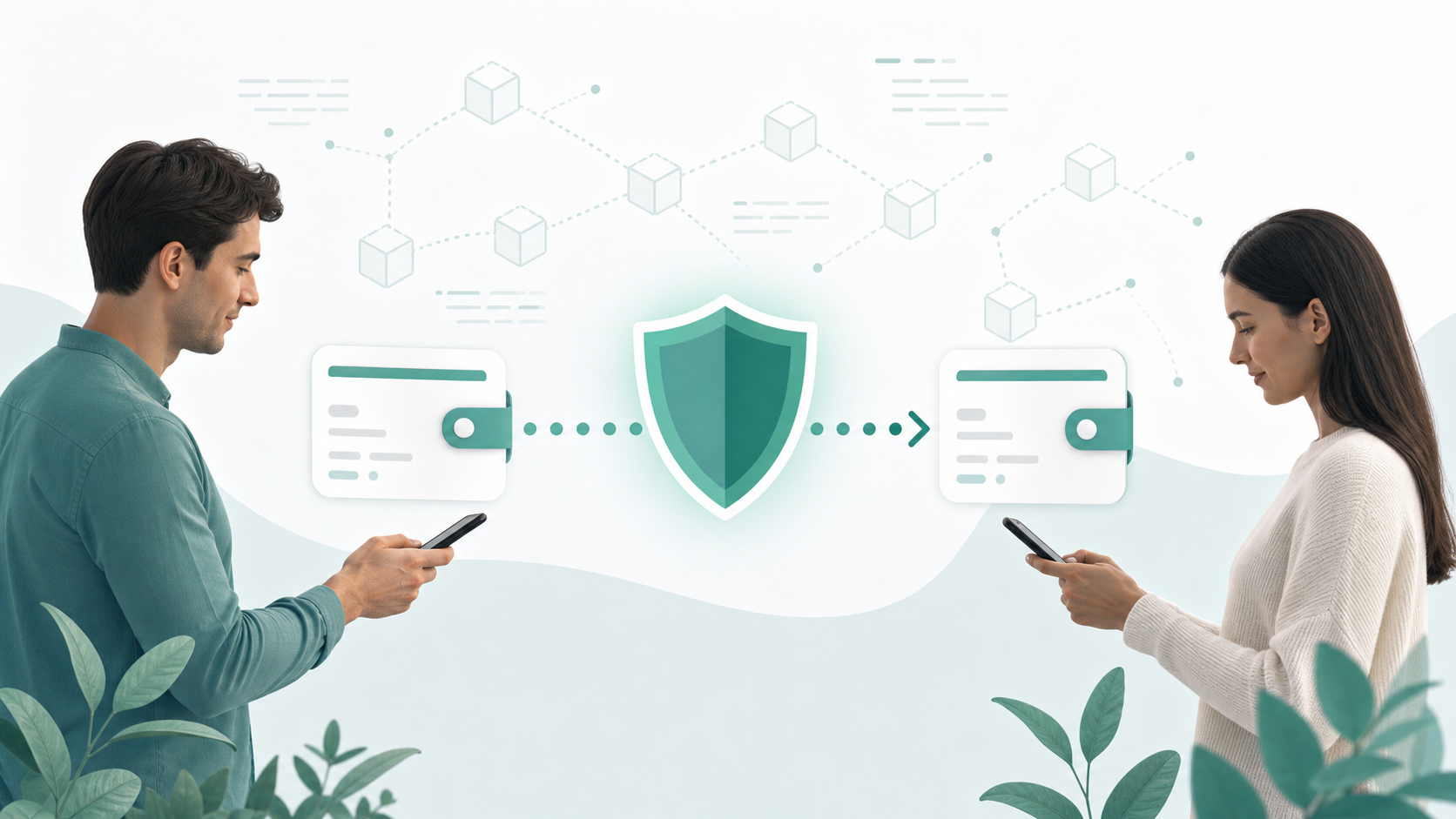
Wallet privacy is not one setting. It is a set of habits that reduce different forms of linkability: public-chain links, exchange/account links, dapp and RPC exposure, social leakage, and security mistakes that reveal more than intended.
This checklist is not a promise of anonymity. It is a practical way to reduce avoidable exposure.
1. Separate Wallets By Purpose
Do not use one wallet for everything. A public receiving wallet, long-term storage wallet, testing wallet, dapp wallet, and work wallet do not all need to be the same address.
What it reduces: accidental merging of unrelated activity.
What it does not solve: links you already created through transfers, exchange withdrawals, public posts, or repeated patterns.
2. Avoid Address Reuse Where Possible
Bitcoin privacy guidance warns users not to reuse addresses. Reuse can make separate payments easier to associate. Ethereum account-based wallets work differently, but the privacy principle still matters: a long-lived public address can become a profile.
What it reduces: easy linking between payments.
What it does not solve: offchain identity links or behavior patterns.
3. Treat Public Addresses As Public Profiles
If you post a wallet address on a website, social profile, invoice, donation page, or Discord message, assume it can be connected to that context.
What it reduces: accidental identity linkage.
What it does not solve: the visibility of addresses already posted.
4. Check What Explorers Show
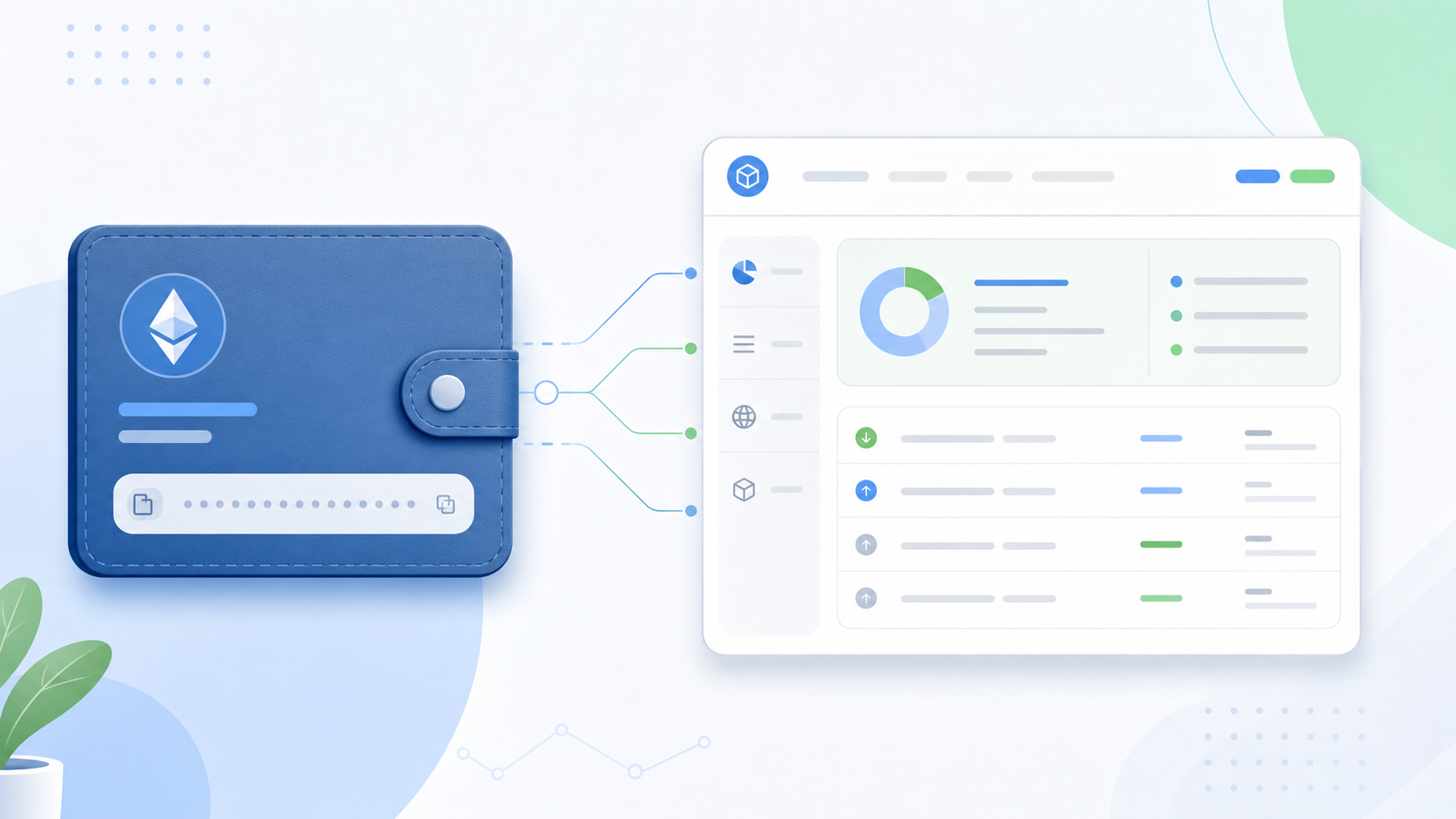
Before assuming a wallet is private, look at what a block explorer can show. Ethereum explorer documentation describes account data, transaction history, token transfers, and smart-contract activity as visible explorer data.
What it reduces: false confidence.
What it does not solve: the fact that the chain remains public.
5. Use Dapp Wallets For Dapp Risk
Unknown dapps, mints, games, airdrops, bridges, and experimental apps should not automatically connect to your main wallet. Wallet connections can create both public-chain and app-level exposure.
What it reduces: unnecessary app exposure.
What it does not solve: risks from a dapp you already used or approved.
6. Review Approvals And Connected Apps
Approvals and contract interactions can become part of a wallet's history. Security hygiene and privacy hygiene overlap here: a wallet with messy old approvals and random dapp interactions may reveal more than intended and carry more operational risk.
What it reduces: stale permissions and confusing wallet history.
What it does not solve: every past interaction.
7. Watch Offchain Metadata
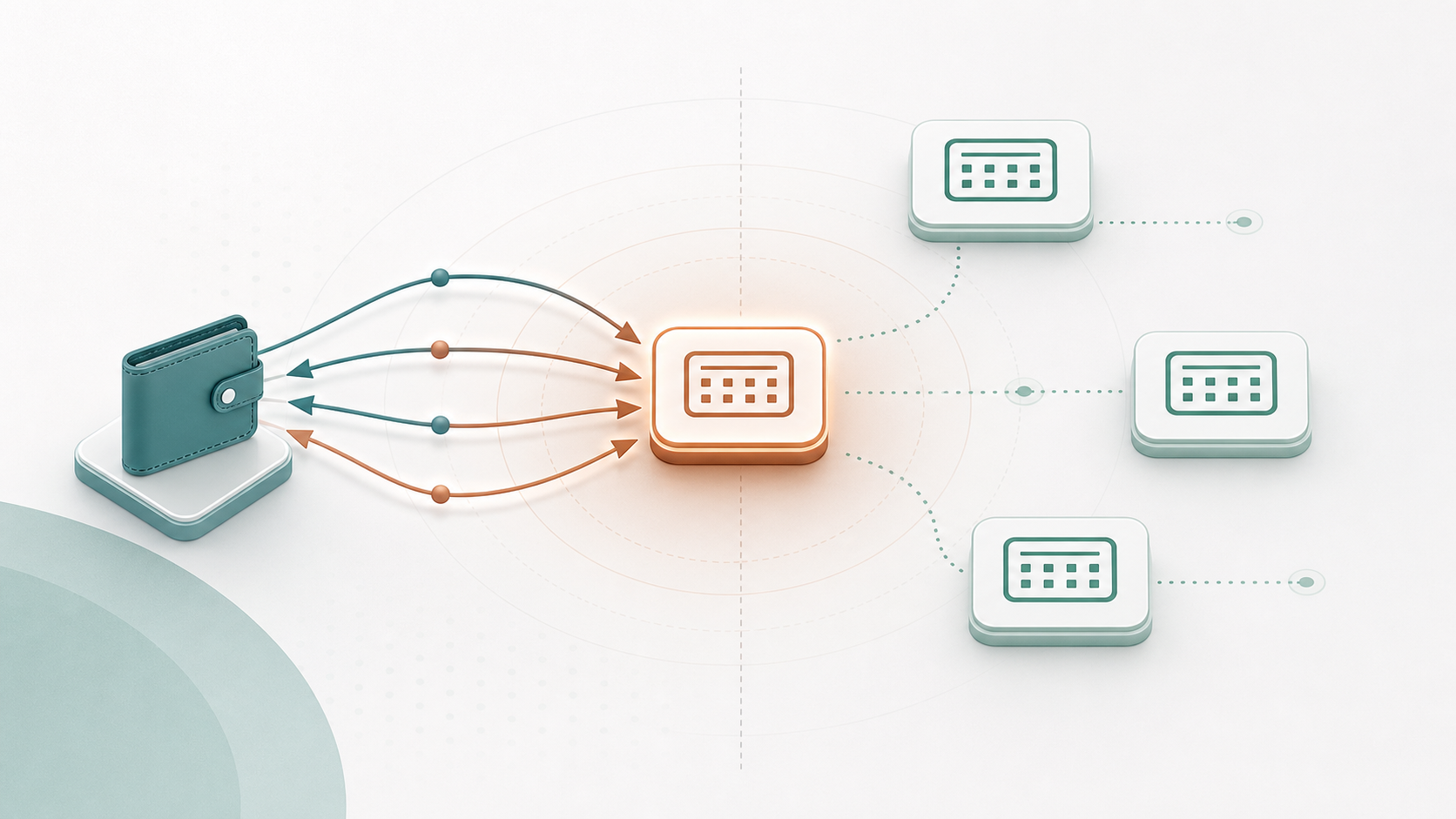
The blockchain is not the only privacy surface. Wallets, dapps, frontends, RPC providers, analytics scripts, IP addresses, browser sessions, and app accounts can add context. Research on Web3 wallet privacy has shown that wallet/dapp interactions can leak wallet-related information to third parties.
What it reduces: assuming onchain privacy is the whole story.
What it does not solve: all network or browser fingerprinting risks.
8. Keep A Wallet Map
Write down what each wallet is for. You do not need a complicated system. A simple note like "public receiving," "testing," "savings," or "dapps" can prevent accidental merging later.
What it reduces: human error.
What it does not solve: mistakes if you ignore your own labels.
9. Avoid Absolute Privacy Claims
Be skeptical of any wallet, swap, bridge, or app that says it makes you fully anonymous without explaining what remains visible.
What it reduces: bad tool selection.
What it does not solve: the need to understand your own threat model.
Simple Do / Avoid / Verify
Do:
- Separate wallets by purpose.
- Use fresh addresses where supported.
- Review public explorer views.
- Keep public and private-use wallets separate.
- Use cautious privacy language.
Avoid:
- Posting your main wallet.
- Reusing one address everywhere.
- Connecting your main wallet to every app.
- Treating a swap as a privacy reset.
- Believing guaranteed anonymity claims.
Verify:
- What a block explorer shows.
- Which apps are connected.
- Which contracts have approvals.
- Which wallets are linked by transfers or public posts.
Summary
Good wallet privacy is boring on purpose. It is mostly separation, caution, and honest expectations. The goal is not to disappear. The goal is to stop turning every payment and app interaction into one public wallet story.
Sources
- Bitcoin.org: Protect Your Privacy: https://bitcoin.org/en/protect-your-privacy
- Bitcoin Optech: Output Linking: https://bitcoinops.org/en/topics/output-linking/
- Ethereum.org: Ethereum Accounts: https://ethereum.org/developers/docs/accounts/
- Ethereum.org: Block Explorers: https://ethereum.org/developers/docs/data-and-analytics/block-explorers/
- Ethereum.org: Privacy Apps: https://ethereum.org/latest/privacy-apps-on-ethereum
- USENIX Security 2023: Is Your Wallet Snitching On You? https://www.usenix.org/conference/usenixsecurity23/presentation/torres
- NIST IR 8475: A Security Perspective on the Web3 Paradigm: https://csrc.nist.gov/publications/detail/ir/8475/final
Editor Note
Reviewed 2026-06-09 by Sofia. Structure already matched the checklist intent, so edits were limited to review-level cleanup and source discipline. No new verification TODOs added.