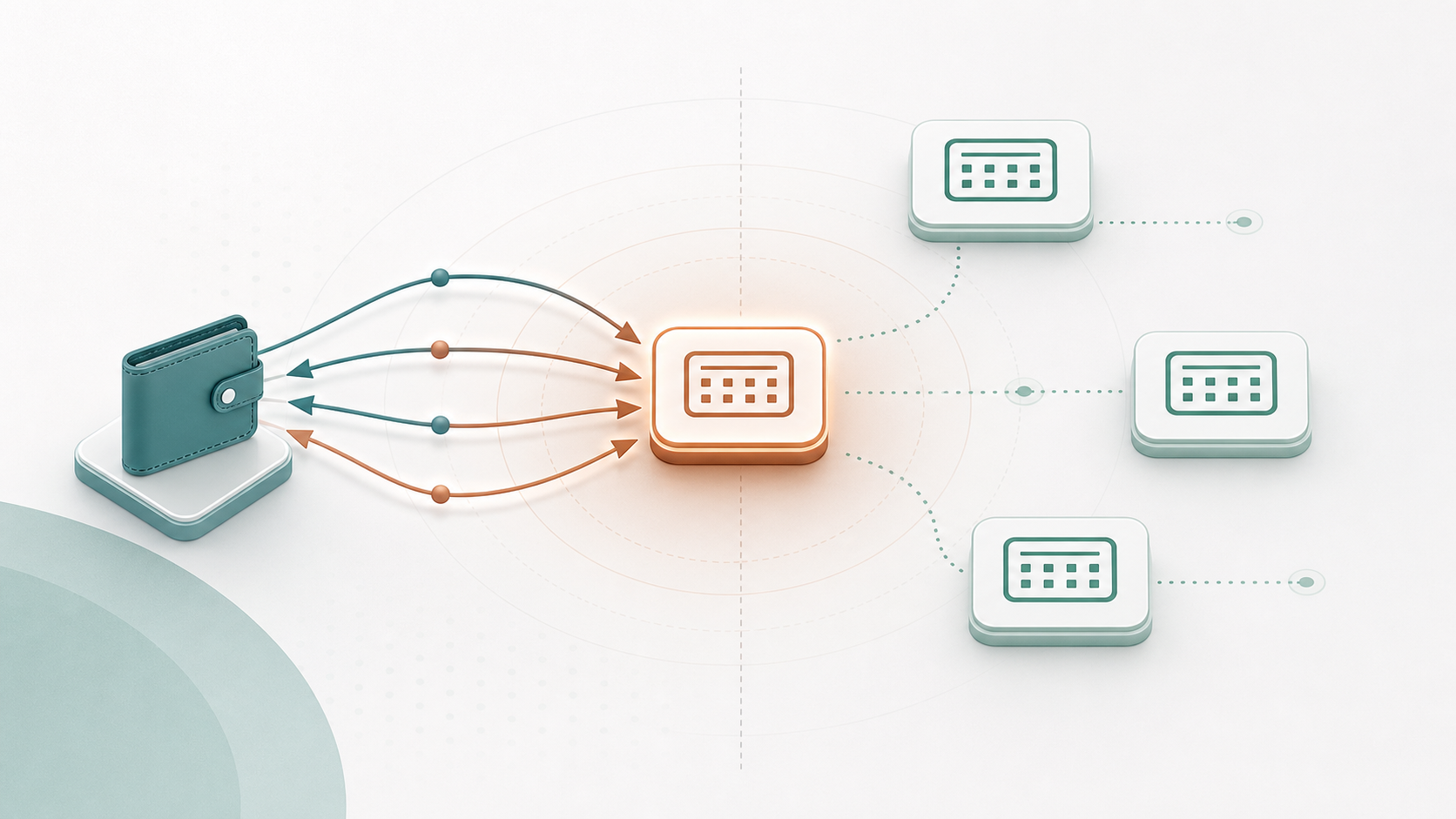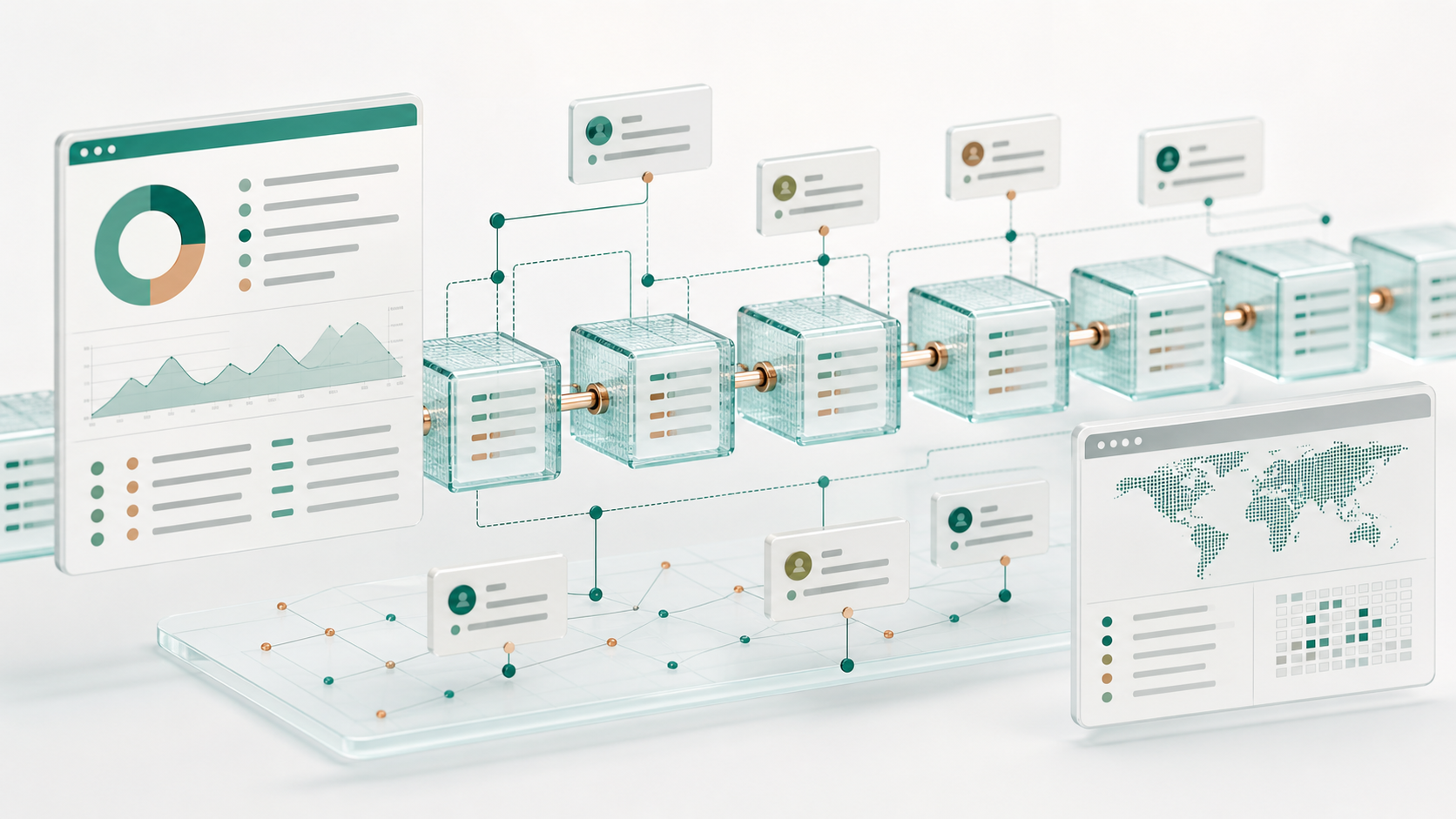
A crypto wallet address is not the same as your real name. But it can still reveal more than most beginners expect.
On public chains, a wallet can expose balances, transactions, token movements, smart-contract interactions, timing, counterparties, and repeated patterns. Some of that information is directly visible. Some of it is inferred. The distinction matters.
The Short Version
A public wallet can reveal a visible activity trail. It may show what assets moved, when they moved, which contracts were used, and what other addresses interacted with the wallet. If that wallet address becomes linked to a person, business, or social profile, the activity becomes more sensitive.
The wallet does not automatically reveal everything about you. But it can reveal enough to create a useful public profile.
What A Block Explorer Can Show Directly
Ethereum block explorer documentation describes explorers as tools for viewing blocks, transactions, accounts, and onchain activity. Explorer account pages can show an address, balance, transaction history, and token activity. Transaction pages can show sender, recipient or contract, value, fees, timestamp, nonce, input data, and status.
That means a curious person does not need special software to inspect basic public-chain activity. A normal explorer may be enough.
Balances And Token Holdings
On account-based chains like Ethereum, an address can show balances and token holdings. If a user treats one wallet as their main identity, that wallet can reveal a lot about what they hold or have touched.
This matters for ordinary safety and privacy. You may not want a payment recipient, client, follower, or counterparty to inspect unrelated assets.
Transactions And Counterparties
Transactions can reveal who a wallet interacted with, when, and in what direction. Some links are direct facts: this address sent a transaction to that contract, or this token transfer happened.
Other links are inferences. A pattern may suggest two addresses are related, but inference is not proof. Good privacy writing should not treat analytics as automatic identity proof.
Contract Calls And App Activity
Wallets do more than send simple transfers. They approve tokens, swap, bridge, mint NFTs, claim airdrops, vote, deploy contracts, and interact with dapps. Those interactions can add context to a wallet's public story.
A single wallet used across many apps can become a timeline of behavior.
Bitcoin-Style And Ethereum-Style Differences
Bitcoin and Ethereum expose activity differently. Bitcoin uses a UTXO model where transaction inputs and outputs matter. Bitcoin privacy resources warn about address reuse and output linking. Ethereum uses accounts represented by public addresses, where account history and balances are often easy to inspect through explorers.
The details differ, but the privacy lesson is similar: repeated public identifiers can create linkable activity.
Offchain Context Changes Everything
An address may not include your name. But the name can come from somewhere else:
- an exchange withdrawal,
- a public donation page,
- a social post,
- an invoice,
- a dapp account,
- an ENS or profile link,
- a screenshot,
- a friend or client who knows the payment came from you.
Once offchain context links an address to a person, the onchain history becomes easier to interpret.
App And Metadata Exposure
The chain is not the only privacy surface. Wallets, dapps, frontends, analytics scripts, RPC providers, IP addresses, and sessions can all add context. Research on Web3 wallet privacy has shown that wallet and dapp interactions can expose wallet-related information to third parties.
So wallet privacy is not just "what does the explorer show?" It is also "what did the apps, wallets, and infrastructure learn?"
What Wallet Privacy Hygiene Can Help With
Good hygiene can reduce avoidable exposure:
- Use separate wallets for separate purposes.
- Avoid posting private-use wallets publicly.
- Avoid address reuse where fresh addresses are available.
- Keep public receiving wallets separate from savings or work wallets.
- Be cautious with dapp connections.
- Review what explorers show before sharing an address.
These steps reduce linkability. They do not erase previous links or guarantee anonymity.
Summary
Your wallet may not reveal your legal name by itself, but it can reveal a public activity trail. The most important distinction is direct visibility versus inference. Balances, transactions, and contract interactions may be directly visible. Identity links, clusters, and intent often require context. Privacy starts by reducing how much context you accidentally give away.
Sources
- Ethereum.org: Block Explorers: https://ethereum.org/developers/docs/data-and-analytics/block-explorers/
- Ethereum.org: Transactions: https://ethereum.org/developers/docs/transactions/
- Ethereum.org: Ethereum Accounts: https://ethereum.org/developers/docs/accounts/
- Bitcoin.org: Protect Your Privacy: https://bitcoin.org/en/protect-your-privacy
- Bitcoin Wiki: Common-input-ownership heuristic: https://en.bitcoin.it/wiki/Common-input-ownership_heuristic
- Bitcoin Optech: Output Linking: https://bitcoinops.org/en/topics/output-linking/
- USENIX Security 2023: Is Your Wallet Snitching On You? https://www.usenix.org/conference/usenixsecurity23/presentation/torres
- Chainalysis: Blockchain Analytics: https://www.chainalysis.com/glossary/blockchain-analytics/
Editor Note
Reviewed 2026-06-09 by Sofia. Replaced generic analytics phrasing with a clearer inference/proof distinction and preserved source discipline. No new verification TODOs added.